“Keep good company, read good books, love good things, and cultivate soul and body as faithfully as you can.”
Louisa May Alcott, born on this day in 1832

A Unitarian Chapel in the heart of Macclesfield, welcoming people of all faiths and none
“Keep good company, read good books, love good things, and cultivate soul and body as faithfully as you can.”
Louisa May Alcott, born on this day in 1832
“All that separates, whether of race, class, creed, or sex, is inhuman, and must be overcome.”
Kate Sheppard (1837 – 1934), New Zealand Suffragette. New Zealand was the first country to grant women the right to vote and the first election in which women voted there was on this day in 1893.

“Our deeds are the medicine
by which the world heals itself.
It’s not size and quantity that matters.
Only one small, good deed
and everything could fall in place.
Which deed will that be?
It could be any one.
Whatever you can do,
do it believing that
this is the one to tip the scales.”
Rebbe Menachem Mendel Schneerson (Lubavitcher Rebbe)

“For ages you have come and gone
courting this delusion.
For ages you have run from the pain
and forfeited the ecstasy.
So come, return to the root of the root
of your own soul.
Although you appear in earthly form
Your essence is pure Consciousness.
You are the fearless guardian
of Divine Light.
So come, return to the root of the root
of your own soul.
When you lose all sense of self
the bonds of a thousand chains will vanish.
Lose yourself completely,
Return to the root of the root
of your own soul.
You descended from Adam, by the pure Word of God,
but you turned your sight
to the empty show of this world.
Alas, how can you be satisfied with so little?
So come, return to the root of the root
of your own soul.
Why are you so enchanted by this world
when a mine of gold lies within you?
Open your eyes and come —
Return to the root of the root
of your own soul.
You were born from the rays of God’s Majesty
when the stars were in their perfect place.
How long will you suffer from the blows
of a non-existent hand?
So come, return to the root of the root
of your own soul.
You are a ruby encased in granite.
How long will you deceive us with this outer show?
O friend, We can see the truth in your eyes!
So come, return to the root of the root
of your own soul.
After one moment with that glorious Friend
you became loving, radiant, and ecstatic.
Your eyes were sweet and full of fire.
Come, return to the root of the root
of your own soul.
Shams-e Tabriz, the King of the Tavern
has handed you an eternal cup,
And God in all His glory is pouring the wine.
So come! Drink!
Return to the root of the root
of your own soul.
Soul of all souls, life of all life – you are That.
Seen and unseen, moving and unmoving – you are That.
The road that leads to the City is endless;
Go without head and feet
and you’ll already be there.
What else could you be? – you are That.”
Jalāl ad-Dīn Mohammad Rūmī
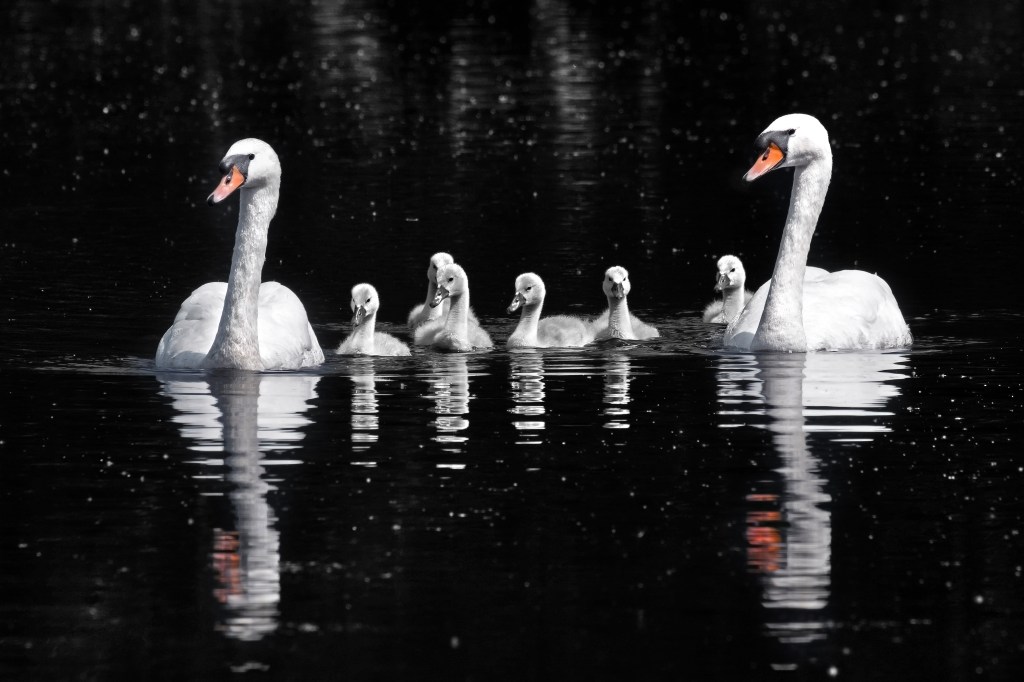
“Lord and swan
Are in essence the same:
Just its body
Makes one swan
Different from others.
From the same clay
The potter conjures
Multiple things
In many colours
And innumerable forms.
Milk ten cows
Of different colours
Their milk
Will be the same.
Kabir says:
Abandon your religion
And know that the One,
The Lord of all worlds.
Fills every vessel.
Only its body
Makes a swan different
From other swans:
Lord and swan
Are the same in essence.”
Kabir (15th century Indian mystic), translated by Andrew Harvey
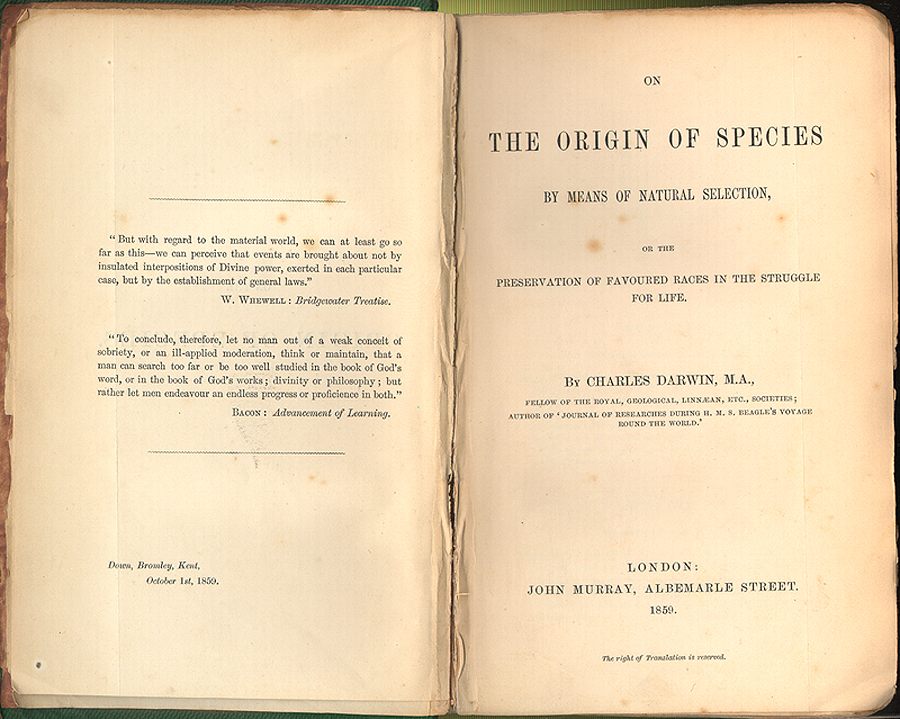
“It is not the strongest of the species that survives, nor the most intelligent that survives. It is the one that is the most adaptable to change, that lives within the means available and works co-operatively against common threats.”
Charles Darwin, whose book, On the Origin of Species, was published on this day in 1859
Feast of St Cecilia, patron saint of music
“Don’t let yourself forget that God’s grace rewards not only those who never slip, but also those who bend and fall. So sing! The song of rejoicing softens hard hearts. It makes tears of godly sorrow flow from them. Singing summons the Holy Spirit. Happy praises offered in simplicity and love lead the faithful to complete harmony, without discord. Don’t stop singing!”
St Hildegard von Bingen (1098-1179)

“God gave us the gift of life; it is up to us to give ourselves the gift of living well.”
French Enlightenment philosopher Voltaire (1694 – 1778), born on this day
“Forgiveness is not a matter of exonerating people who have hurt you. They may not deserve exoneration. Forgiveness means cleansing your soul of the bitterness of ‘what might have been,’ ‘what should have been,’ and ‘what didn’t have to happen.’ Someone has defined forgiveness as ‘giving up all hope of having had a better past.’ What’s past is past and there is little to be gained by dwelling on it. There are perhaps no sadder people then the men and women who have a grievance against the world because of something that happened years ago and have let that memory sour their view of life ever since.”
Rabbi Harold S Kushner
“A new moon teaches gradualness
and deliberation, and how one gives birth
to oneself slowly. Patience with small details
makes perfect a large work, like the universe.
What nine months of attention does for an embryo
forty early mornings alone will do
for your gradually growing wholeness.”
Rumi


 King Edward Street Chapel