“Above all, try always to be able to feel deeply any injustice committed against any person in any part of the world. It is the most beautiful quality of a revolutionary.”
Che Guevara, revolutionary and physician, who died on this day in 1967

A Unitarian Chapel in the heart of Macclesfield, welcoming people of all faiths and none
“Above all, try always to be able to feel deeply any injustice committed against any person in any part of the world. It is the most beautiful quality of a revolutionary.”
Che Guevara, revolutionary and physician, who died on this day in 1967
Imagine by John Lennon, released on this day in 1971,
“Imagine there’s no heaven
It’s easy if you try
No hell below us
Above us only sky
Imagine all the people
Living for today
Imagine there’s no countries
It isn’t hard to do
Nothing to kill or die for
And no religion, too
Imagine all the people
Living life in peace
You
You may say I’m a dreamer
But I’m not the only one
I hope someday you’ll join us
And the world will be as one
Imagine no possessions
I wonder if you can
No need for greed or hunger
A brotherhood of man
Imagine all the people
Sharing all the world
You
You may say I’m a dreamer
But I’m not the only one
I hope someday you’ll join us
And the world will live as one.”
“Forgiving and being reconciled to our enemies or our loved ones are not about pretending that things are other than they are. It is not about patting one another on the back and turning a blind eye to the wrong. True reconciliation exposes the awfulness, the abuse, the hurt, the truth. It could even sometimes make things worse. It is a risky undertaking but in the end it is worthwhile, because in the end only an honest confrontation with reality can bring real healing. Superficial reconciliation can bring only superficial healing.”
Desmond Tutu, born on this day in 1931
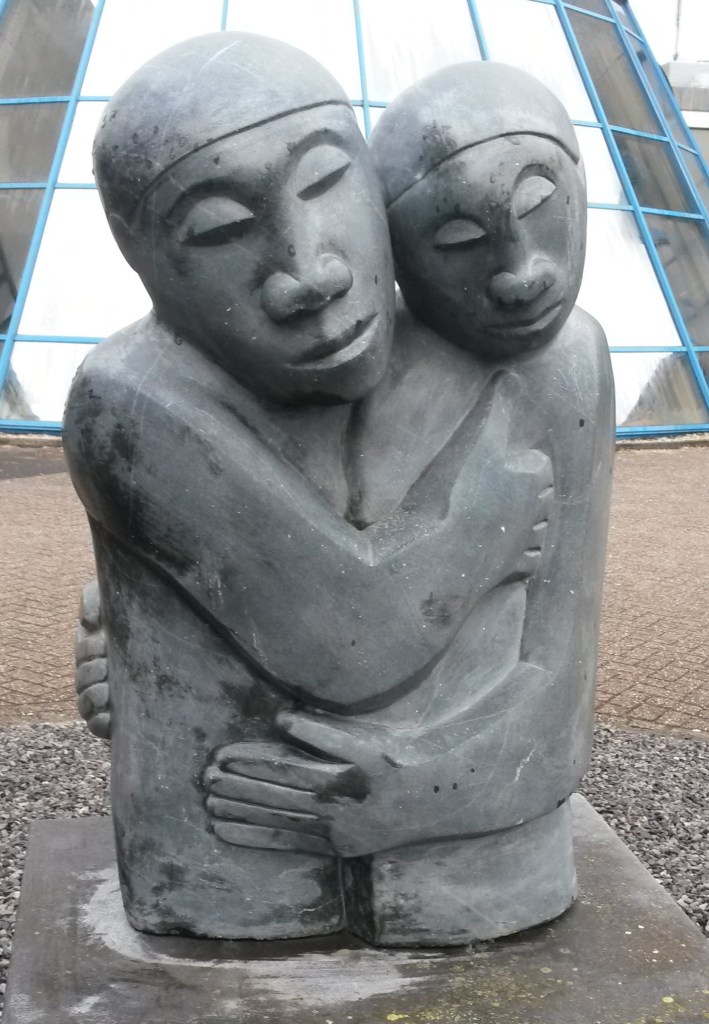
“Borders. I have never seen one, but I have heard they exist in the minds of some people.”
Thor Heyerdahl (1914 – 2002), ethnographer and adventurer, born on this day

“Everything the power of the world does is done in a circle. The sky is round, and I have heard that the earth is round like a ball, and so are all the stars. The wind, in its greatest power, whirls. Birds make their nests in circles, for theirs is the same religion as ours. The sun comes forth and goes down again in a circle. The moon does the same, and both are round. Even the seasons form a great circle in their changing, and always come back again to where they were. The life of a man is a circle from childhood to childhood, and so it is in everything where power moves.”
Black Elk (1863 – 1950), spiritual leader of the Oglala Lakota nation
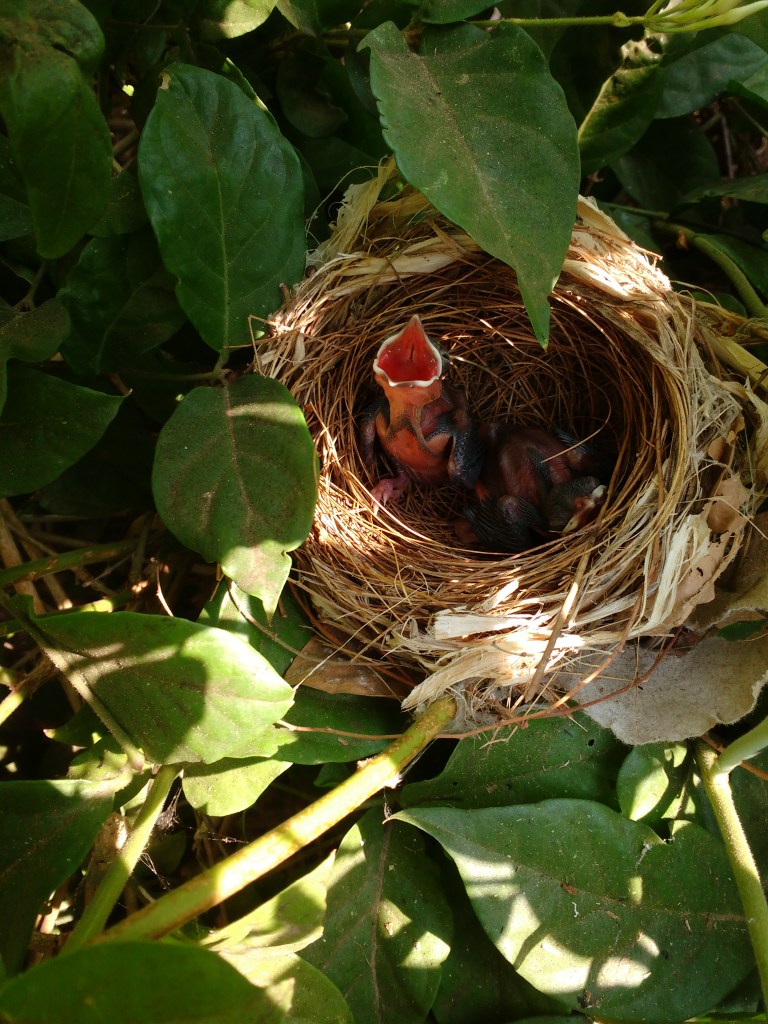
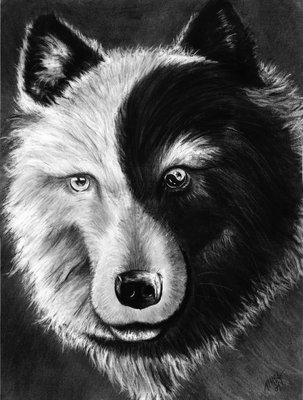
St. Francis and the Wolf by Christine Valters Paintner
“The city trembled at the wolf
outside its gates, fangs
fierce, howling with hunger,
fur thick with blood.
Francis approaches softly,
palms open. When the wolf lunges
his breath stays slow and steady,
looks with eyes of love,
smiles and bows
and the beast whimpers,
licks the monk’s salty face,
tail a brown banner waving,
and follows Francis
through the streets
like an old friend,
to the wonder of all.
Except perhaps it’s not
such a wonder that
when we open the gate
to all that is fierce
and fearful inside us,
when we hold our hands
like begging bowls,
our hearts like candles,
the wolf within will want
to lay its soft head
upon our laps and we see
there is no more wolf and me
just one wild love,
one wild hunger.”

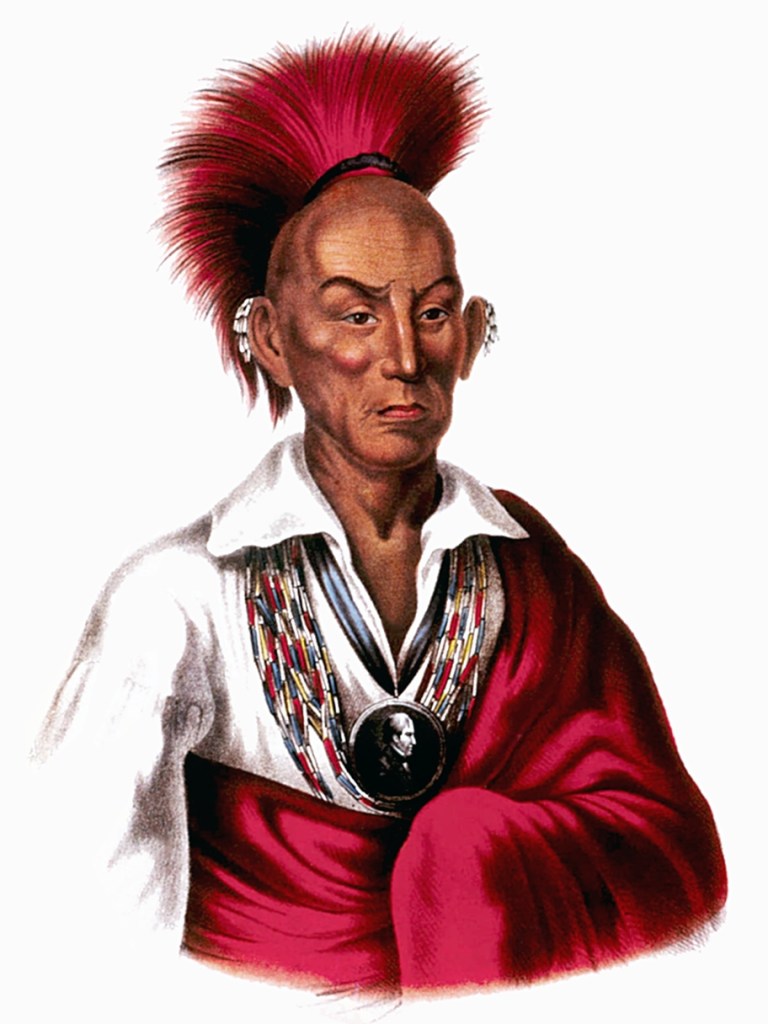
“Every one makes his feast as he thinks best, to please the Great Spirit, who has the care of all beings created. Others believe in two Spirits, one good and one bad, and make feasts for the Bad Spirit, to keep him quiet. They think that if they can make peace with him, the Good Spirit will not hurt them. For my part I am of the opinion, that so far as we have reason, we have a right to use it in determining what is right or wrong, and we should always pursue that path which we believe to be right, believing that “whatsoever is, is right.” If the Great and Good Spirit wished us to believe and do as the whites, he could easily change our opinions, so that we could see, and think, and act as they do. We are nothing compared to his power, and we feel and know it. We have men among us, like the whites, who pretend to know the right path, but will not consent to show it without pay. I have no faith in their paths, but believe that every man must make his own path.”
Black Hawk, Sauk leader, who died on this day in 1838
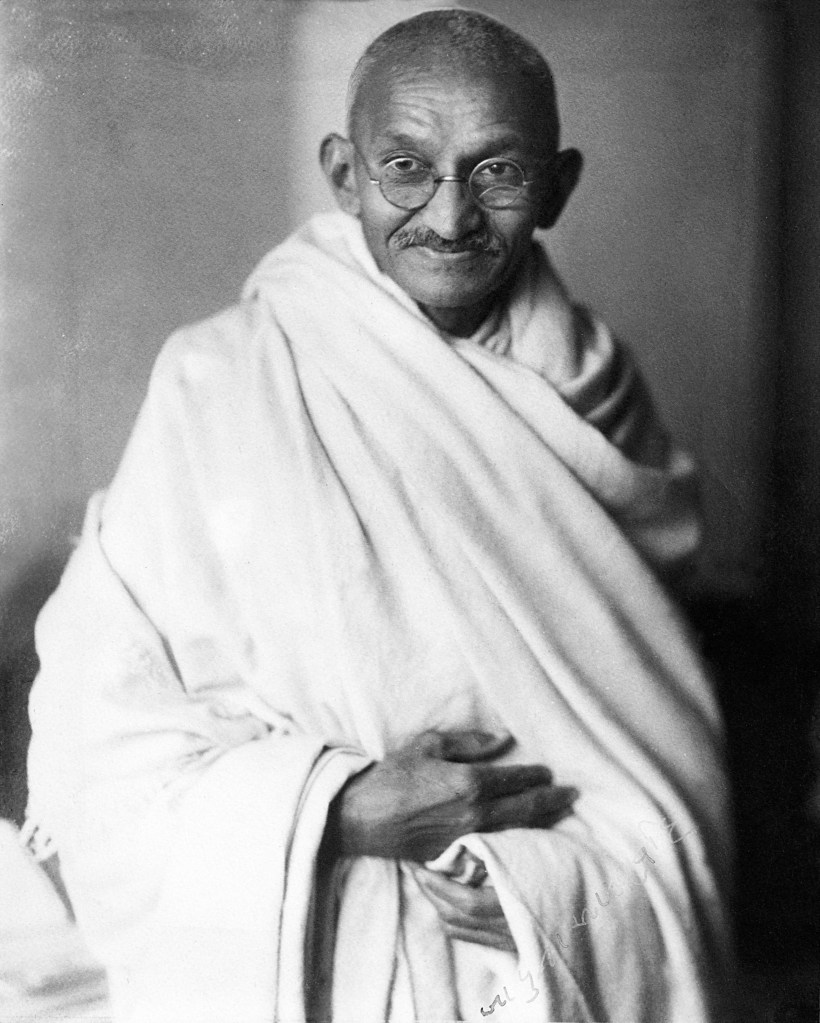
“There are two days in the year that we cannot do anything, yesterday and tomorrow.”
Mahātmā Gandhi (1869 – 1948), born on this day
“A gift is pure when it is given from the heart to the right person at the right time and at the right place, and when we expect nothing in return.”
The Bhagavad Gita
“I do not agree or disagree in everything with either one party or the other. Because all seem to me to have some truth and some error, but everyone recognizes the other’s error and nobody discerns his own.”
Michael Servetus, Spanish theologian and physician, author of On the Errors of the Trinity, born on this day in 1511 (burned at the stake for heresy in 1553)

 King Edward Street Chapel