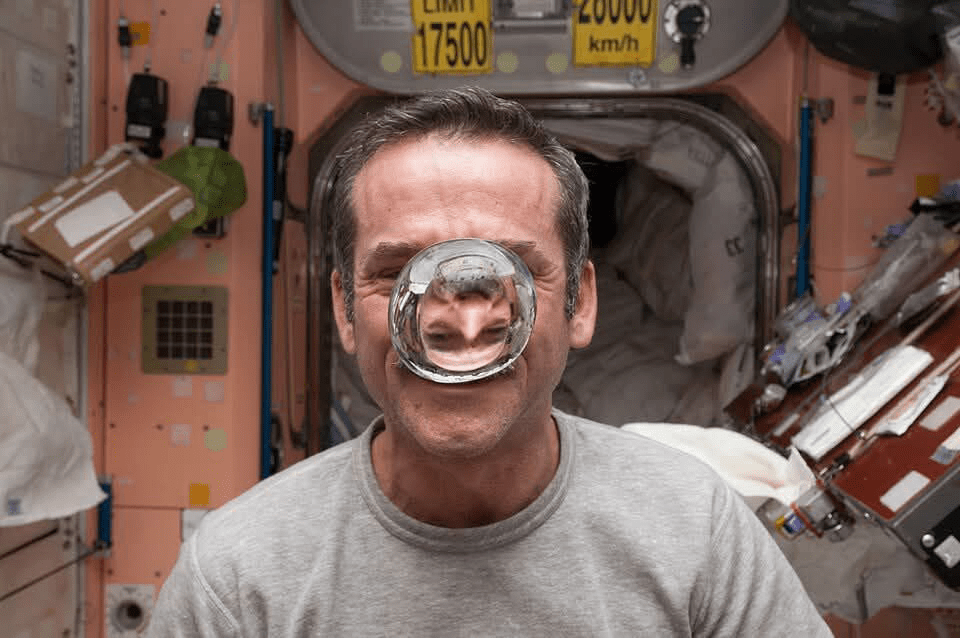
“Life off Earth is in two important respects not at all unworldly: You can choose to focus on the surprises and pleasures, or the frustrations. And you can choose to appreciate the smallest scraps of experience, the everyday moments, or to value only the grandest, most stirring ones. Ultimately, the real question is whether you want to be happy.”
From An Astronaut’s Guide to Life on Earth by Chris Hadfield, first Canadian to walk in space, born on this day in 1959
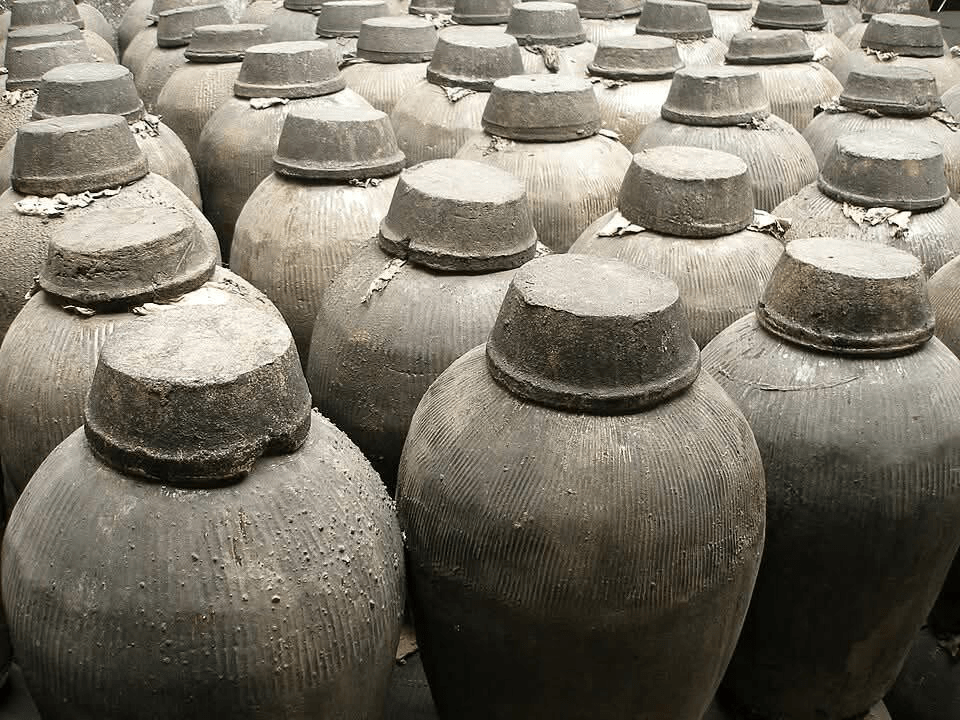
“I was passionate, filled with longing, I searched far and wide. But the day that the Truthful One found me, I was at home. I searched for my Self until I grew weary, but no one, I know now, reaches the hidden knowledge by means of effort. In meditation, I entered the love furnace, burned away dust and dirt, Then, absorbed in “Thou art This,” I found the place of Wine. There all the jars are filled, but no one is left to drink. As the sun of a new knowing rose, I recognized the Self in me: When I saw Him dwelling in me, I realized that He was the Everything and I was nothing.”
Lalla Ded (also known as Lalleshwari), 14th century Kashmir
“These late-August weeks are called the “dog days.” And not because it’s so hot that you see sleeping or panting canines everywhere you go, but rather because the ancient Romans saw the Dog Star prominent in the heavens during this month. But our own lives are so distanced from the constellations that the expression connects us instead to the actual dogs in our lives.
Dogs, cats, and animals of all varieties keep us grounded in the moment. A dog barking to go our of begging at the dinner table isn’t thinking about tomorrow. Perhaps even better, as Walt Whitman said of animals, “They do not make me sick discussing their duty to God.” Maybe they don’t need to; maybe the more time we spend amidst the animal kingdom, the more God’s presence feels evident.”
From Earth Bound: Daily Meditations for All Seasons by Brian Nelson
“The fruit of silence is prayer, the fruit of prayer is faith, the fruit of faith is love, the fruit of love is service and the fruit of service is peace.”
From A Simple Path by Mother Teresa of Calcutta (1910 – 1997), born on this day
“I sometimes think that Man’s capacity for laughter is nobler than his divine gift of suffering. Laughing cleanses a man: it restores his sanity, and balances his sense of values.
Now in a time of caution and fear, in an atmosphere turgid with non-direction and non-expressivity, let us laugh and let laugh, lighten the air we breath, and feel clean.”
Leonard Bernstein (1918 – 1990), composer and conductor, born on this day
“O Thou Creating and Protecting Power, who art our Father, yea, our Mother not the less, we flee unto thee, and would lift up the psalm of our thanksgiving unto thee, and by our prayer seek to hold communion with thy spirit, and be strengthened for the cares and the duties and the delights of our mortal life… We desire to be deeply conscious of thy presence, which fills all time, which occupies all space. We would know thee as thou art, and in our souls feel continually thy residence with us and the abiding of thy spirit in our heart…
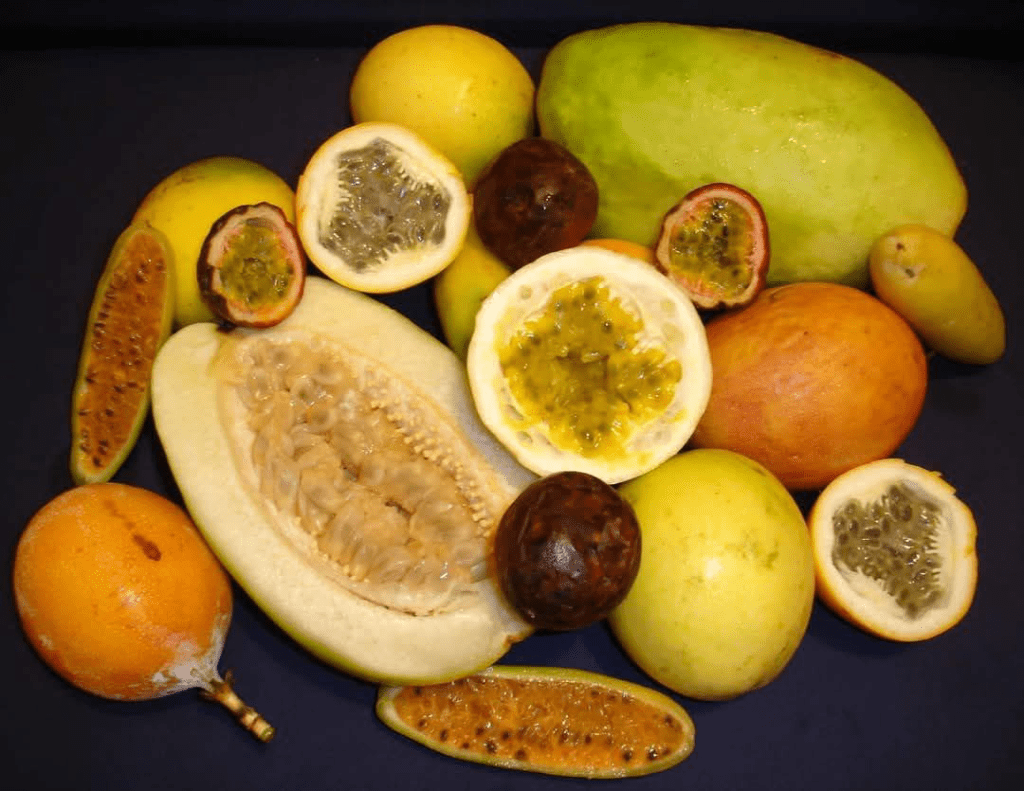
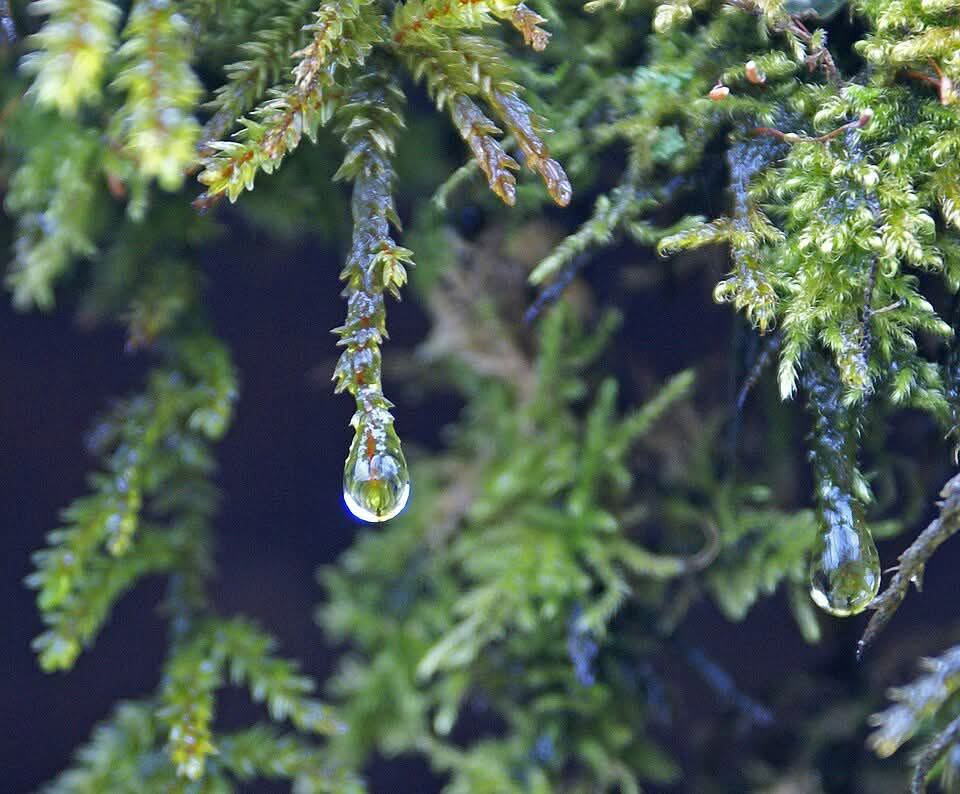
We thank thee for this wondrous and lovely world in which thou hast placed us. For the magnificent beauty of summer we thank thee, for the storied promise of the spring which has gone by, and the earnest of the harvest, whose weeks in their fulfilment bring daily new tokens of thy goodness and thine infinite love. We thank thee that thou waterest the earth with rain from thine own sweet heavens, rejoicing the cattle on a thousand hills, which thou also carest for, as for thy chosen ones, and ministerest life to every little moss amid the stones of a city, and feedest the mighty forests which clothe with verdure our hills. We thank thee that thou givest us grass for the cattle, and corn to strengthen the frame of man… We bless thee for the beautiful amid the homely, the sublime among things low, for the good amid evil things, and the eternal amid what is transient and daily passing from our eye.”
Theodore Parker (1810 – 1860), Unitarian minister, transcendentalist, abolitionist and social reformer, born on this day
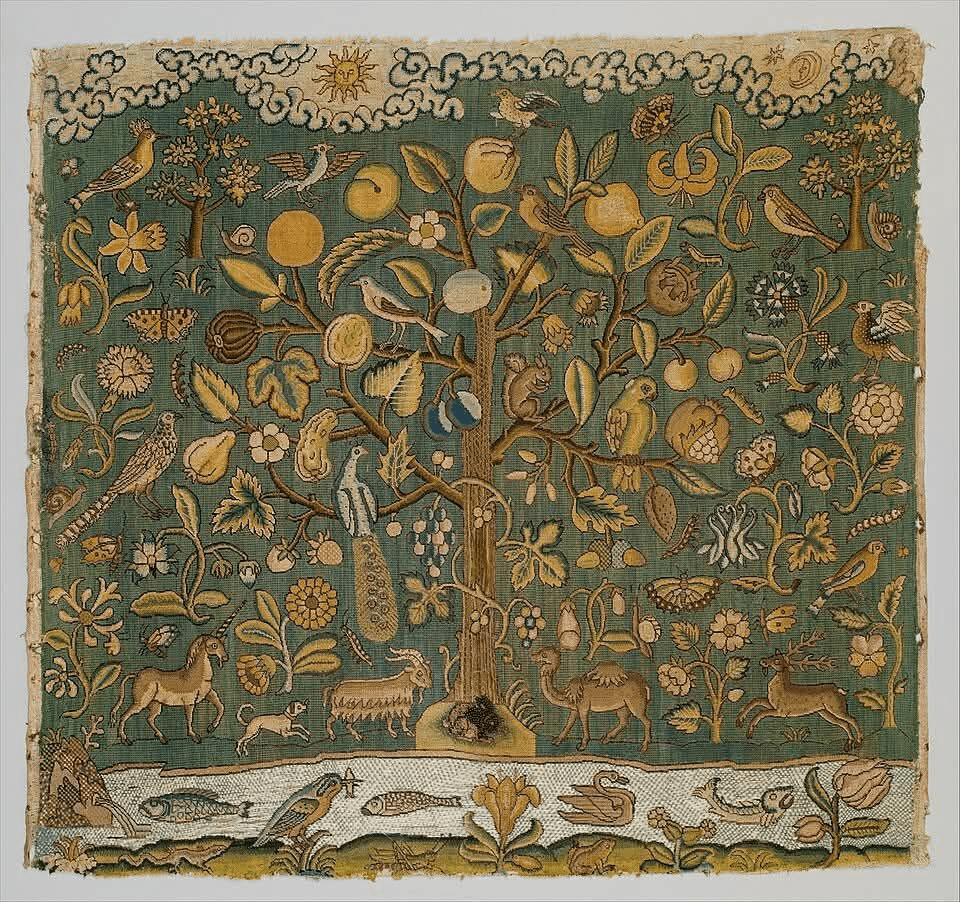
“The more we lose our sense of separateness in the knowledge of the oneness of all living creatures, millions of small leaves on the single tree of lie, the more we shall lose our sense of self-importance..
If we can find a little of our oneness with all other creatures, and love them, then I believe we are halfway towards finding God.”
Elizabeth Goudge (1900 – 1984), children’s author, quoted in Fragments of Holiness for Daily Reflection
“What exactly is an angel? Here is how I suggest we can tell if we bump into one. Angels deny that they are angels. They don’t all have wings or halos – those are only the ones who like to dress up. Angels don’t expect anything in return for services rendered. They don’t always tell us what we want to hear… Angels aren’t all called Michael or Gabriel. We might even be angels and not realise it… Yes, angels are here among us, giving us gifts beyond measure. Gifts of humour when we think the sun will never shine again, passion when we believe we are unlovable, inspiration when our life force wanes, confidentiality when we can’t tell anyone else our secrets, forgiveness when we so sorely need it, advice when we don’t know which direction to turn, frankness when we try to tell less than the truth about who we really are, and the gift of just being there when we are so very alone.”
Don Beaudreault, Unitarian-Universalist minister, quoted in Fragments of Holiness for Daily Reflection
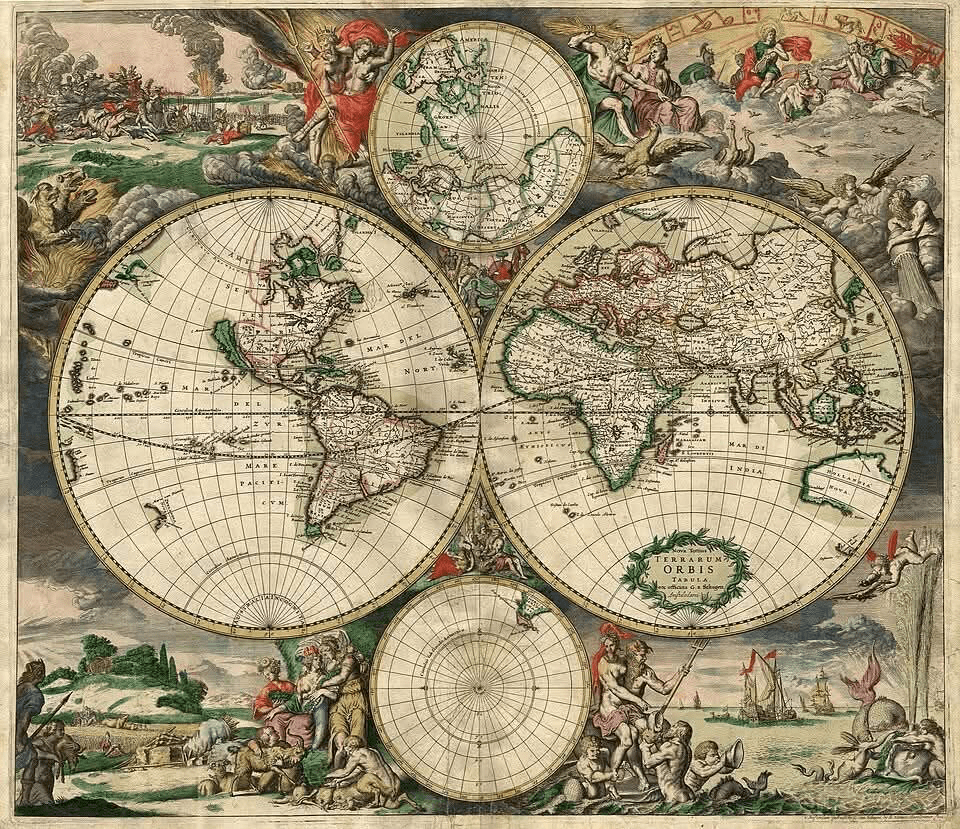
“The powers we have released could not possibly be absorbed by the narrow system of individual or national units which the architects of the human Earth have hitherto used. The age of nations has passed. Now, unless we wish to perish we must shake off our old prejudices and build the Earth.”
Pierre Teilhard de Chardin (1881 – 1955), Jesuit priest, paleontologist and theologian, quoted in Christian Mystics by Matthew Fox



 King Edward Street Chapel