“In my view, all that is necessary for faith is the belief that by doing our best we shall come nearer to success and that success in our aims (the improvement of the lot of mankind, present and future) is worth attaining.”
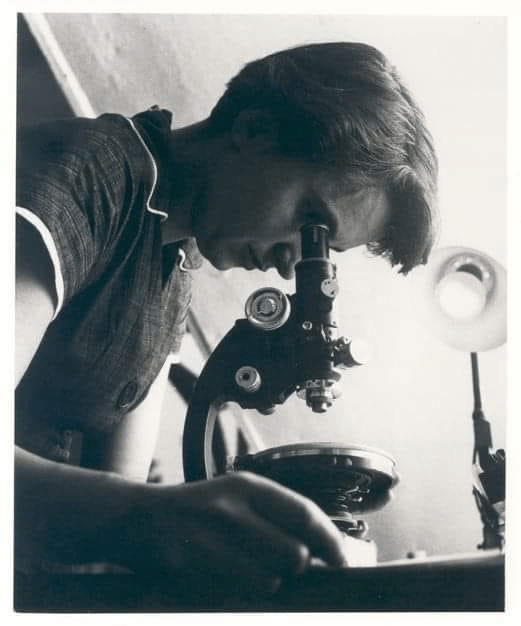
Rosalind Franklin (1920 – 1958), chemist, whose work contributed to the discovery of the structure of DNA, born on this day
“The more one does and sees and feels, the more one is able to do, and the more genuine may be one’s appreciation of fundamental things like home and love, and understanding companionship.”
Amelia Earhart, aviator, born on this day in 1897, disappeared over the Pacific Ocean on 2 July 1937
“When we know how to nourish our love, we can heal ourselves and those around us. When love grows, it naturally embraces more and more. If your love is true love, then it will continue to grow until it includes all people and all species. Your love will become a river, wide enough to nourish not only you and your beloved but the whole world. This is love without limits, a heart without boundaries and discrimination.”
“Not like the brazen giant of Greek fame, With conquering limbs astride from land to land; Here at our sea-washed, sunset gates shall stand A mighty woman with a torch, whose flame Is the imprisoned lightning, and her name Mother of Exiles. From her beacon-hand Glows world-wide welcome; her mild eyes command The air-bridged harbor that twin cities frame. “Keep, ancient lands, your storied pomp!” cries she With silent lips. “Give me your tired, your poor, Your huddled masses yearning to breathe free, The wretched refuse of your teeming shore. Send these, the homeless, tempest-tost to me, I lift my lamp beside the golden door!”
The New Colossus (poem for the Statue of Liberty, New York, 1883) by Emma Lazarus (1849 – 1887), advocate for Jewish refugees fleeing the Russian pogroms of 1881, born on this day
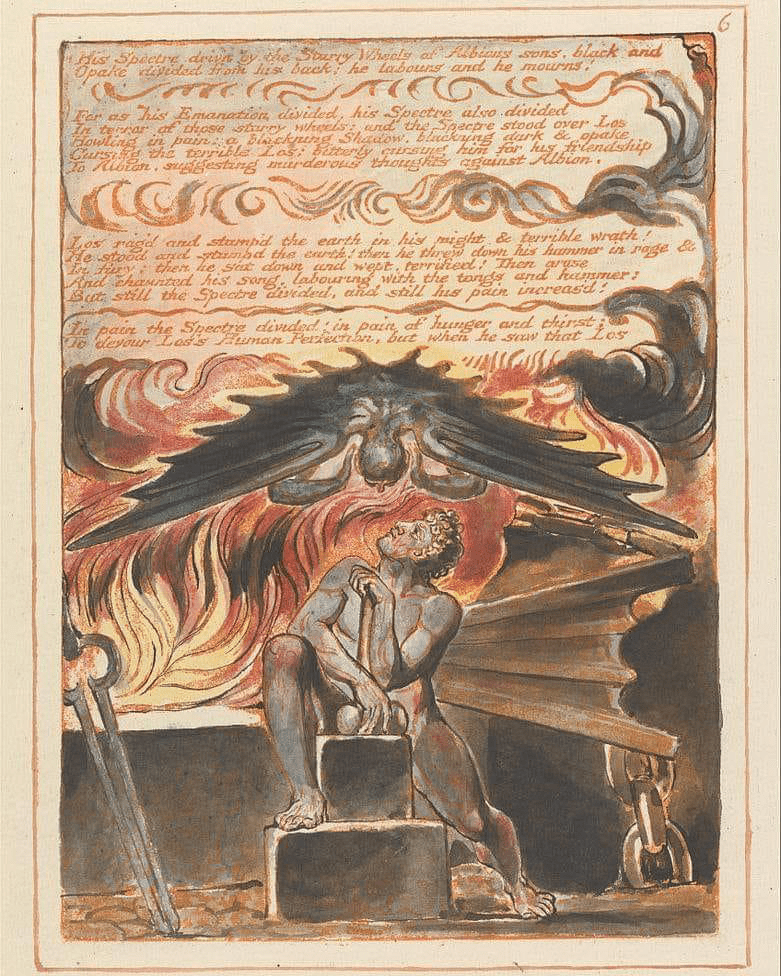
“”Each man is in his spectre’s power Until the arrival of that hour When his humanity awake And cast his own spectre into the lake.” William Blake
Long before Freud and Jung, William Blake coined the word spectre to signify the illusory self that, by its appetites and desires, overrules and dictates to the true self. The illusory self becomes our personal image, the projected likeness we want others to see.
The spectre is fed by our patterns of appeasement, by our fear of authority, by our need to be perfect. Lest it take hold of our lives, we have to return to our essential humanity, to the core of our being, to the soul within us, and clarify by the soul’s mirror what constitutes self and illusory self. In everything we do, we need to determine whether we are acting out of the core of our integrity or at the dictates of the spectre.
Where mind and heart, reason and compassion are separated, there Blake’s spectre roams hungry and unchecked through our life. Casting off our illusory self is an act of maturity that strengthens the light of the soul. Acting out of our own heart, rather than out of projected self, we come once more to the true likeness with which we have been endowed.”
From The Celtic Spirit: Daily Meditations for the Turning Year by Caitlin Matthews
“An existential revolution should provide hope of a moral reconstitution of society, which means a radical renewal of the relationship of human beings to what I have called the human order, which no political order can replace. A new experience of being, a renewed rootedness in the universe, a newly grasped sense of higher responsibility, a new-found inner relationship to other people and to the human community – these factors clearly indicate the direction in which we must go.”
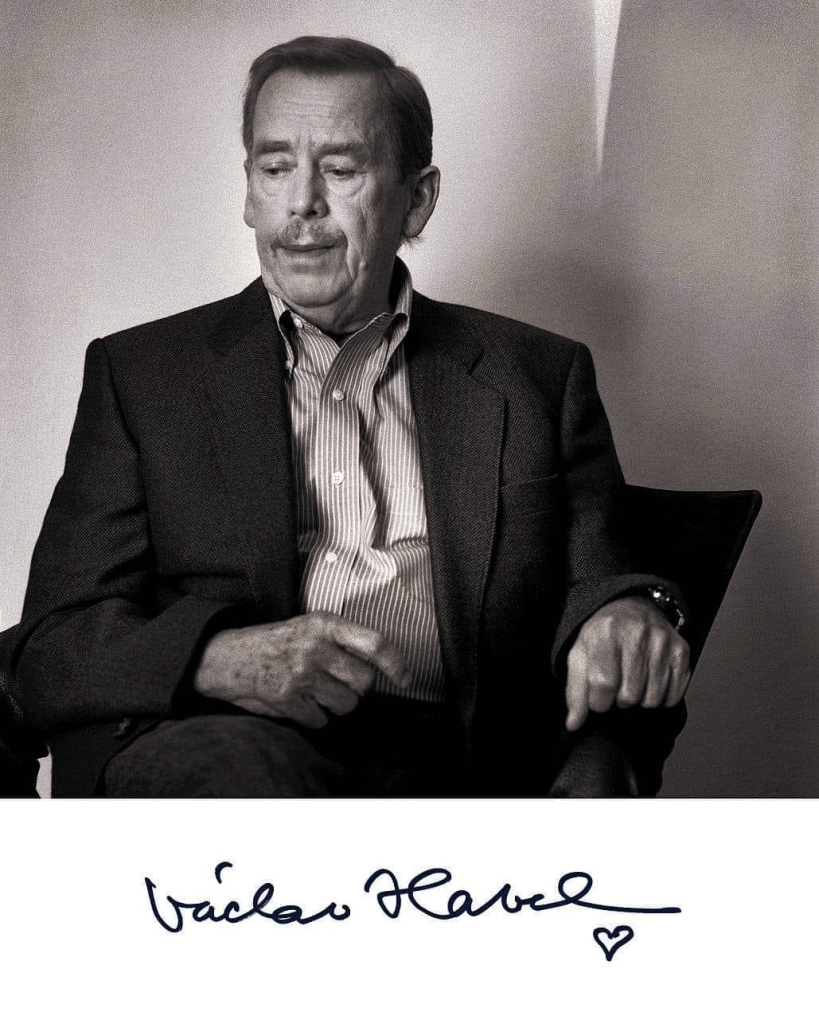
Václav Havel (1936 – 2011), dissident writer and first president of the Czech republic, quoted in Fragments of Holiness for Daily Reflection
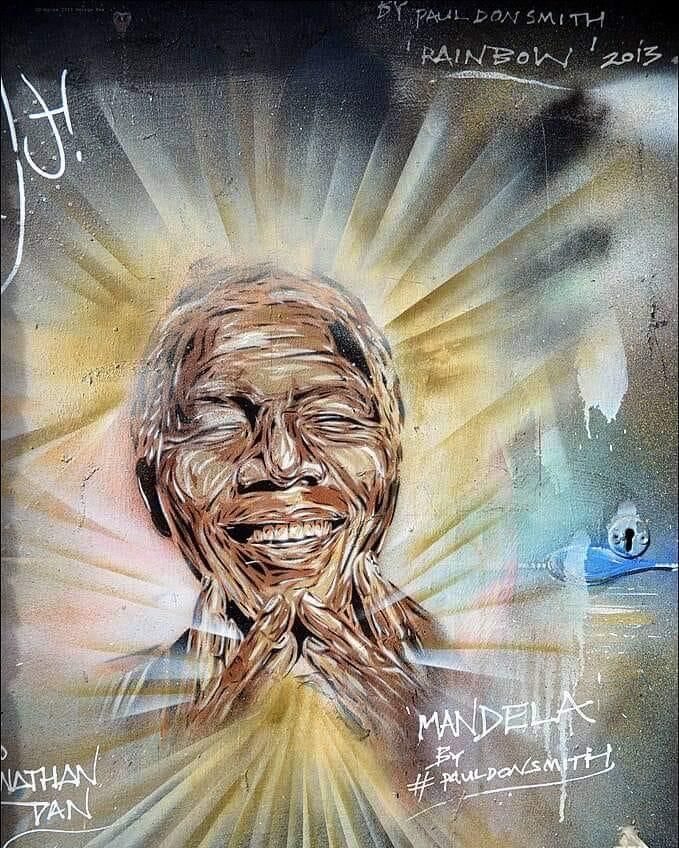
“People come and go, Customs, fashions and preferences change. Yet the web of fundamental rights and justice which a nation proclaims must not be broken.”
“As you move forward along the path of reason, people will stand in your way. They will never be able to keep you from doing what’s sound, so don’t let them knock out your goodwill for them. Keep a steady watch on both fronts, not only for well-based judgments and actions, but also for gentleness with those who would obstruct our path or create other difficulties. For getting angry is also a weakness, just as much as abandoning the task or surrendering under panic. For doing either is an equal desertion – the one by shrinking back and the other by estrangement from family and friend.”






 King Edward Street Chapel