International Day for the Elimination of Racial Discrimination
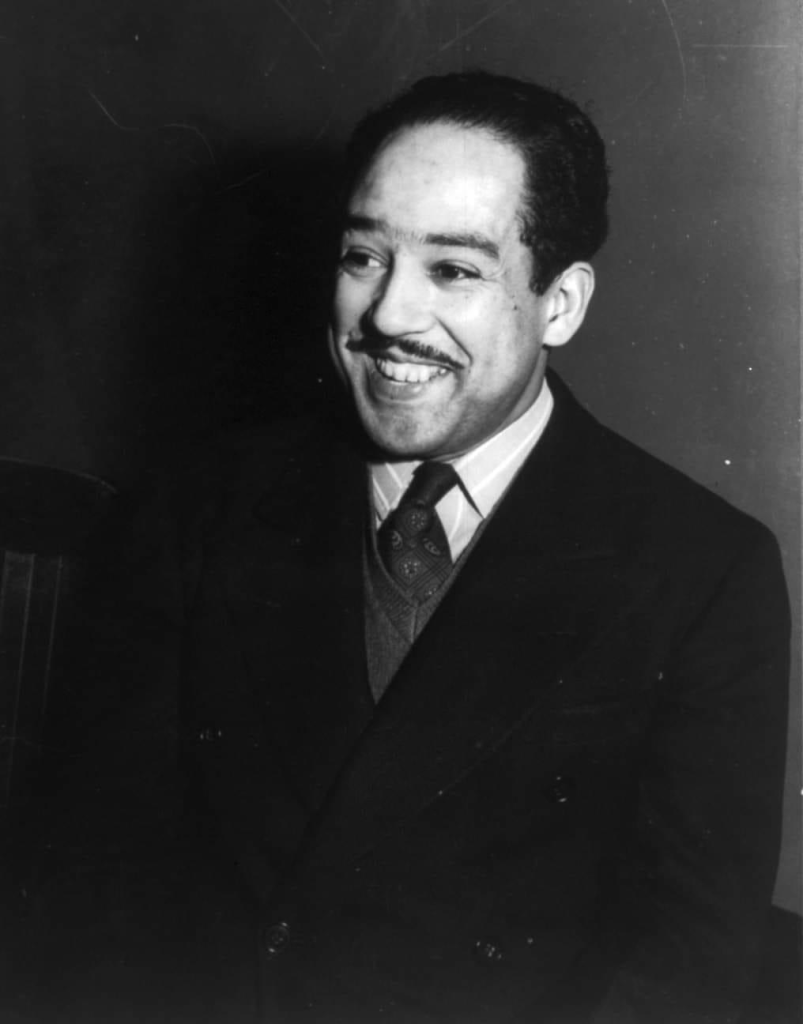
“I dream a world where man No other man will scorn, Where love will bless the earth And peace its paths adorn I dream a world where all Will know sweet freedom’s way, Where greed no longer saps the soul Nor avarice blights our day. A world I dream where black or white, Whatever race you be, Will share the bounties of the earth And every man is free, Where wretchedness will hang its head And joy, like a pearl, Attends the needs of all mankind- Of such I dream, my world!”
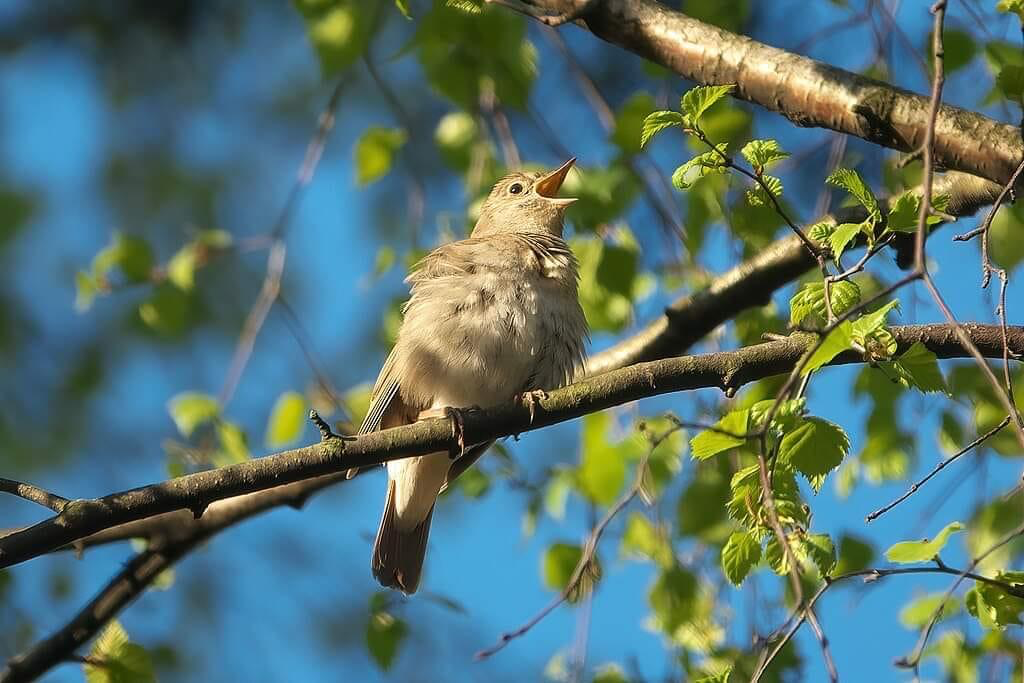
“Spring! And Earth is like a child who has learned many poems by heart. For the trouble of that long learning she wins the prize.
Her teacher was strict. We loved the white of the old man’s beard. Now we can ask her the many names of green, of blue, and she knows them, she knows them!
Earth, school is out now. You’re free to play with the children. We’ll catch you, joyous Earth. The happiest will catch you!
All that the teacher taught her – the many thoughts pressed now into roots and long tough stems: she sings! She sings!”
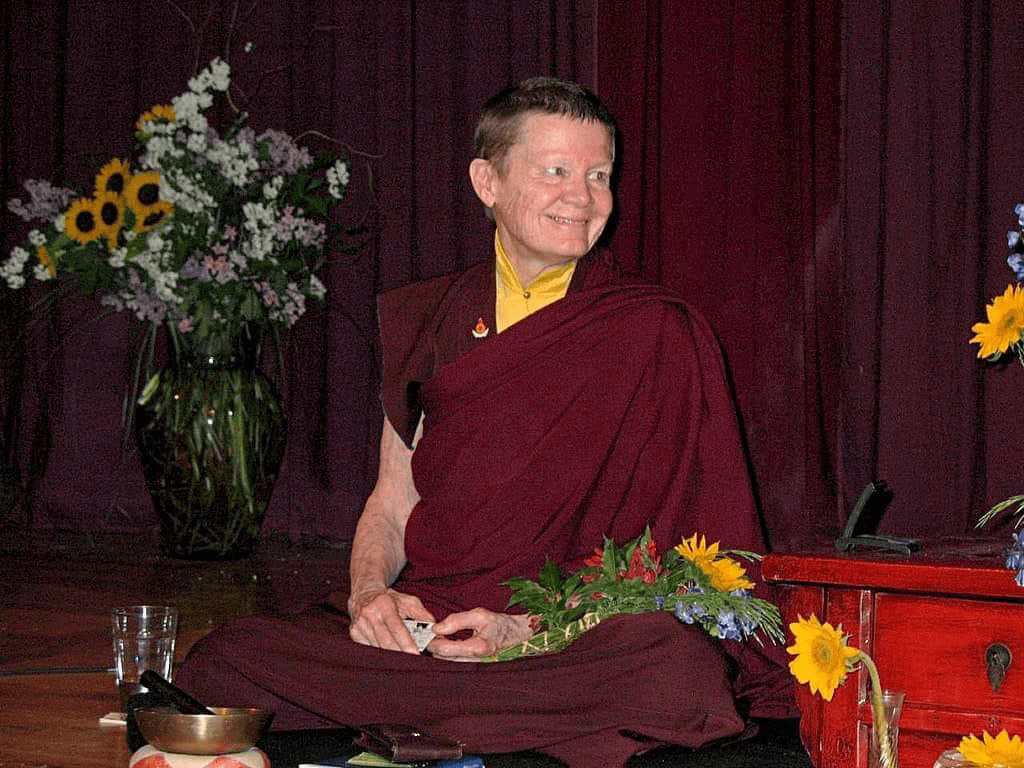
“When you open yourself to the continually changing, impermanent, dynamic nature of your own being and of reality, you increase your capacity to love and care about other people and your capacity to not be afraid. You’re able to keep your eyes open, your heart open, and your mind open. And you notice when you get caught up in prejudice, bias, and aggression. You develop an enthusiasm for no longer watering those negative seeds, from now until the day you die. And, you begin to think of your life as offering endless opportunities to start to do things differently.”
“Any act to change the world around us begins within us. It starts with a sense of agency, a sense that we have the power to effect change. The Latin root of the word “power” means “to be able.” When we feel helpless in the face of injustice, it is easy to give in to the idea that this is just the way things are, because it’s the way things have always been. Then someone comes along and sparks our imagination, a prophetic voice from the past, or a friend on the phone. We begin to see that the norms and institutions that order this world are not inevitable but constructed – and therefore can be changed. The Brazilian educator Paulo Freire calls this internal shift “critical consciousness,” the moment we tap into our own power to change the world around us. It feels like waking up.”
“When I didn’t know myself, where were you? Like the colour in the gold, you were in me. I saw in you, lord white as jasmine, the paradox of your being in me without showing a limb.
After my body became Yourself, whom could I serve? After my mind became Yourself, whom could I invoke? After my consciousness was lost in You, Whom could I know? Being Yourself in You, O Lord white as jasmine, Through You have I forgotten You!”
“I have learned from long experience that there is nothing that is not marvellous, and the saying of Aristotle is true: that in every natural phenomena there is something wonderful – nay, in truth, many wonders. We are born and placed among wonders and surrounded by them, so that to whatever object the eye first turns, the same is full of wonders, if only we examine it for a while.”
John de Dundas, 14th century philosopher, quoted in Fragments of Holiness for Daily Reflection
“Another often-asked question when I speak in public: “Do you have some good advice you might share with us?” Yes, I do. It comes from my savvy mother-in-law, advice she gave me on my wedding day. “In every good marriage,” she counseled, “it helps sometimes to be a little deaf.” I have followed that advice assiduously, and not only at home through fifty-six years of a marital partnership nonpareil. I have employed it as well in every workplace, including the Supreme Court of the United States. When a thoughtless or unkind word is spoken, best tune out. Reacting in anger or annoyance will not advance one’s ability to persuade.”
Ruth Bader Ginsburg (1933 – 2020), born on this day
“Learn from yesterday, live for today, hope for tomorrow. The important thing is not to stop questioning… The important thing is not to stop questioning. Curiosity has its own reason for existing. One cannot help but be in awe when he contemplates the mysteries of eternity, of life, of the marvellous structure of reality. It is enough if one tries merely to comprehend a little of this mystery every day.”
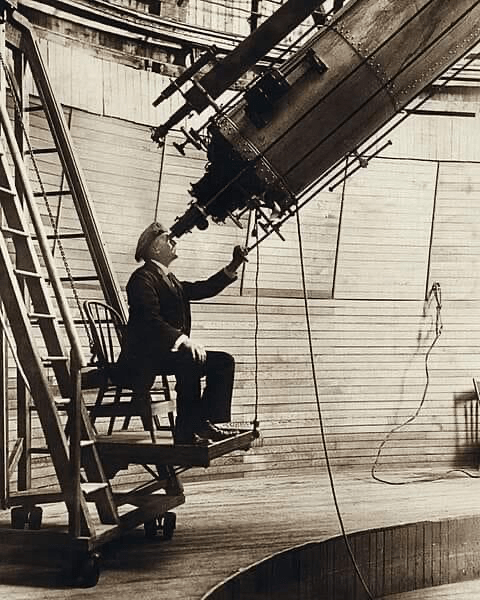
“Imagination is as vital to any advance in science as learning and precision are essential for starting points.. For reason.. compares what we imagine with what we know, and gives us the answer in terms of the here and now, which we call the actual. But the actual.. does not mark the limit of the possible.”
Percival Lowell, astronomer (1855 – 1916), born on this day
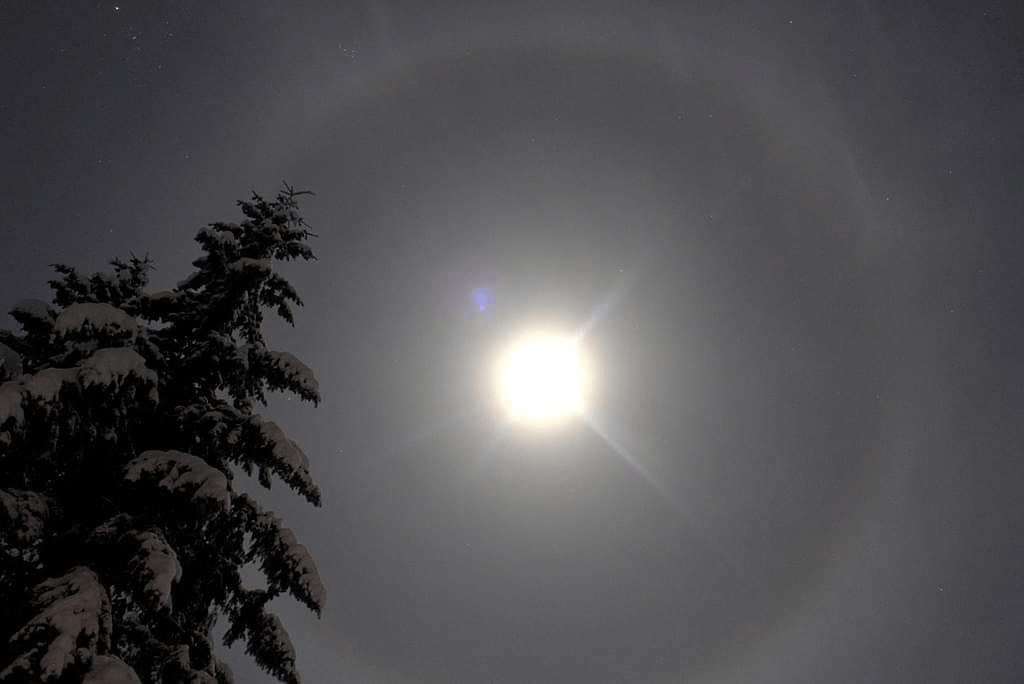
“I have lots of things to teach you now, in case we ever meet, concerning the message that was transmitted to me under a pine tree in North Carolina on a cold winter moonlit night. It said that Nothing Ever Happened, so don’t worry. It’s all like a dream. Everything is ecstasy, inside. We just don’t know it because of our thinking-minds. But in our true blissful essence of mind is known that everything is alright forever and forever and forever. Close your eyes, let your hands and nerve-ends drop, stop breathing for 3 seconds, listen to the silence inside the illusion of the world, and you will remember the lesson you forgot, which was taught in immense milky way soft cloud innumerable worlds long ago and not even at all. It is all one vast awakened thing. I call it the golden eternity. It is perfect. We were never really born, we will never really die. It has nothing to do with the imaginary idea of a personal self, other selves, many selves everywhere: Self is only an idea, a mortal idea. That which passes into everything is one thing. It’s a dream already ended. There’s nothing to be afraid of and nothing to be glad about. I know this from staring at mountains months on end. They never show any expression, they are like empty space. Do you think the emptiness of space will ever crumble away? Mountains will crumble, but the emptiness of space, which is the one universal essence of mind, the vast awakenerhood, empty and awake, will never crumble away because it was never born.”



 King Edward Street Chapel