“When I was born, I was colored. I soon became a Negro. Not long after that I was black. Most recently I was African-American. It seems we’re on a roll here. But I am still first and foremost in search of freedom.”
“If the two wings of a bird are devotion and spiritual actions, spiritual knowledge is its tail. Only with the help of all three can the bird soar into the heights.”
“I have something that I call my Golden Rule. It goes something like this: ‘Do unto others twenty-five percent better than you expect them to do unto you.’ … The twenty-five percent is for error.”
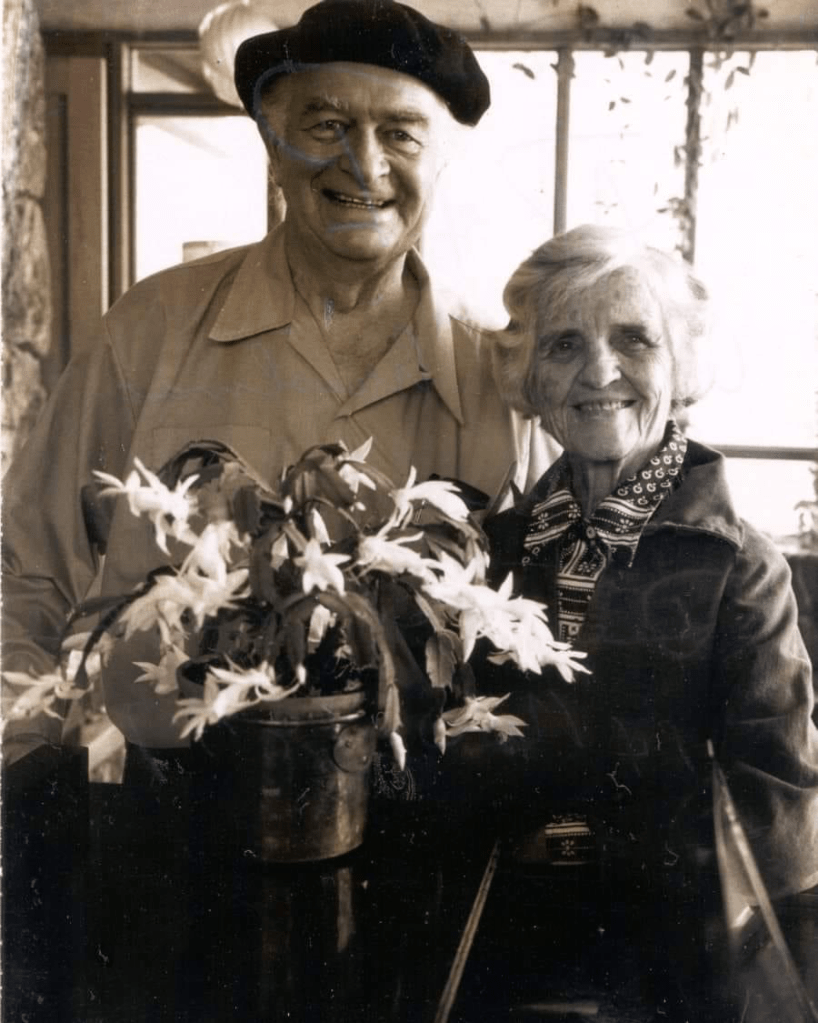
Linus Pauling, Unitarian Universalist, chemist and peace activist (1901 – 1994), born on this day
If you cringe when people say that love is the answer, I do, too. I am not talking about sentimentality or civility or thoughts and prayers. I am talking about love as labor, a conscious embodied practice. Social reformers and spiritual teachers throughout history led entire nonviolent movements anchored in the ethic of love. Time and again, people gave their bodies and breath for one another, not only in the face of fire hoses and firing squads but also in the quieter venues of their daily lives. Black feminists like bell hooks have long envisioned a world where the love ethic is a foundation for all arenas of our society. It’s time to reclaim love as a force for justice..
Love is a form of sweet labor: fierce, bloody, imperfect, and life-giving – a choice we make over and over again. Love as labor can be taught, modeled, and practiced. This labor engages all our emotions. Joy is the gift of love. Grief is the price of love. Anger protects that which is loved. And when we think we have reached our limit, wonder is the act that returns us to love.
“Revolutionary love” is the choice to labor for others, for our opponents, and for ourselves in order to transform the world around us. It begins with wonder: You are a part of me I do not yet know. It is not a formal code or prescription but an orientation to life that is personal and political, sustained by joy. Loving only ourselves is escapism; loving only our opponents is self-loathing; loving only others is ineffective. All three practices together make love revolutionary, and revolutionary love can only be practiced in community.”
“It’s being here now that’s important… Time is a very misleading thing. All there is ever, is the now. We can gain experience from the past, but we can’t relive it; and we can hope for the future, but we don’t know if there is one… the only thing we ever experience is the now… Heaven and hell is right now. … You make it heaven or you make it hell by your actions.”
“The truth is, I do indulge myself a little the more in pleasure, knowing that this is the proper age of my life to do it; and, out of my observation that most men that do thrive in the world do forget to take pleasure during the time that they are getting their estate, but reserve that till they have got one, and then it is too late for them to enjoy it.”
“Anything human can be felt through music, which means that there is no limit to the creating that can be done with music. You can take the same phrase from any song and cut it up so many different ways – it’s infinite. It’s like God… you know?”
“The cauldron of Annwfn, the Welsh Underworld, was guarded, warmed, and inspired by the nine sisters of the cauldron – the primal inspirers of the Celtic world. The ninefold sisters were understood to take the threefold thread of each life and amplify it till its full potential was realized. They were seen as the Gifting Mothers by the Celtic world, and later as the faery godmothers of medieval tradition. Actual sisterhoods of priestesses played an important part in the sacred and inspirational guidance of the ancient Celtic world. The sacred flame within the enclosure of St. Brigit was tended by nineteen sisters – two shifts of nine nuns and their abbess.
The relationship between ourselves and our various inspirers is complex and subtle. We rely on the teachers and inspirational people of many ages whose craft we follow; the practitioners of our own life-skills who preceded us; the places, animals, plants, trees, and land features that have become central to our symbolic and metaphorical understanding of our vocation; the music, books, art, and skills that feed our soul; the stories, songs, texts, and teachings by which we live our lives. All of these come together to heat the brew of our cauldron of life. Our inspirers pull upon the thread of our soul’s circuit to remind us where our vocational duty lies.”
From The Celtic Spirit: Daily Meditations for the Turning Year by Caitlin Matthews