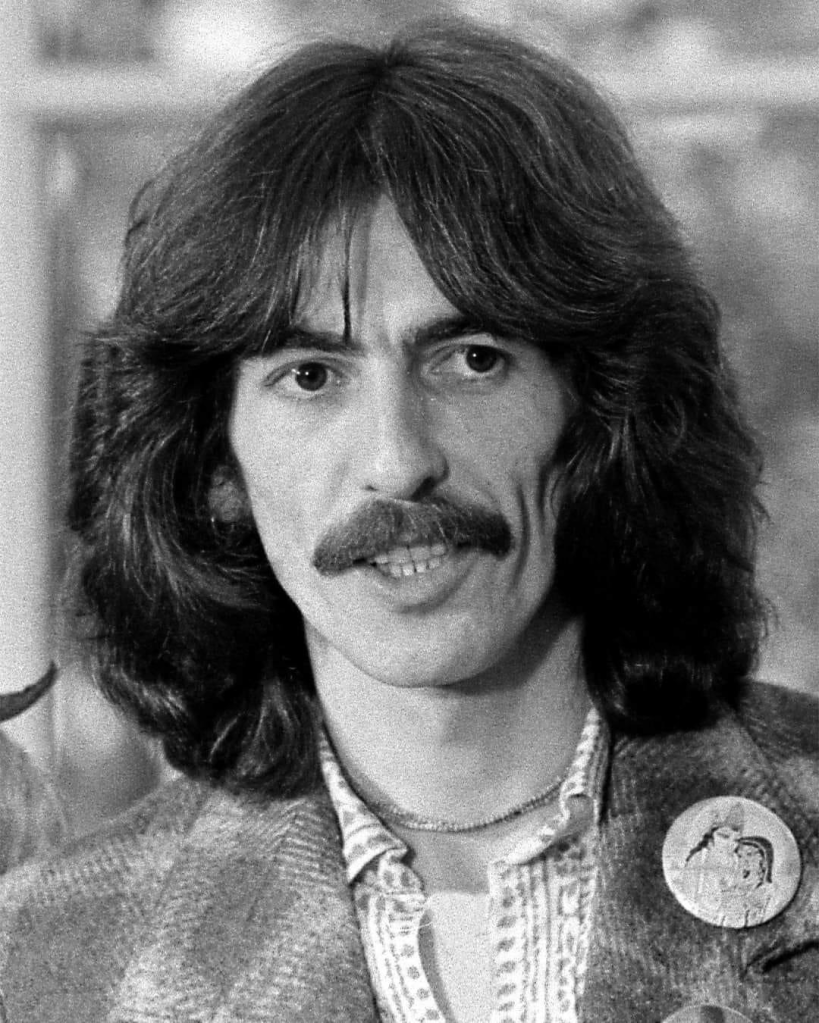
“It’s being here now that’s important… Time is a very misleading thing. All there is ever, is the now. We can gain experience from the past, but we can’t relive it; and we can hope for the future, but we don’t know if there is one… the only thing we ever experience is the now… Heaven and hell is right now. … You make it heaven or you make it hell by your actions.”
“The truth is, I do indulge myself a little the more in pleasure, knowing that this is the proper age of my life to do it; and, out of my observation that most men that do thrive in the world do forget to take pleasure during the time that they are getting their estate, but reserve that till they have got one, and then it is too late for them to enjoy it.”
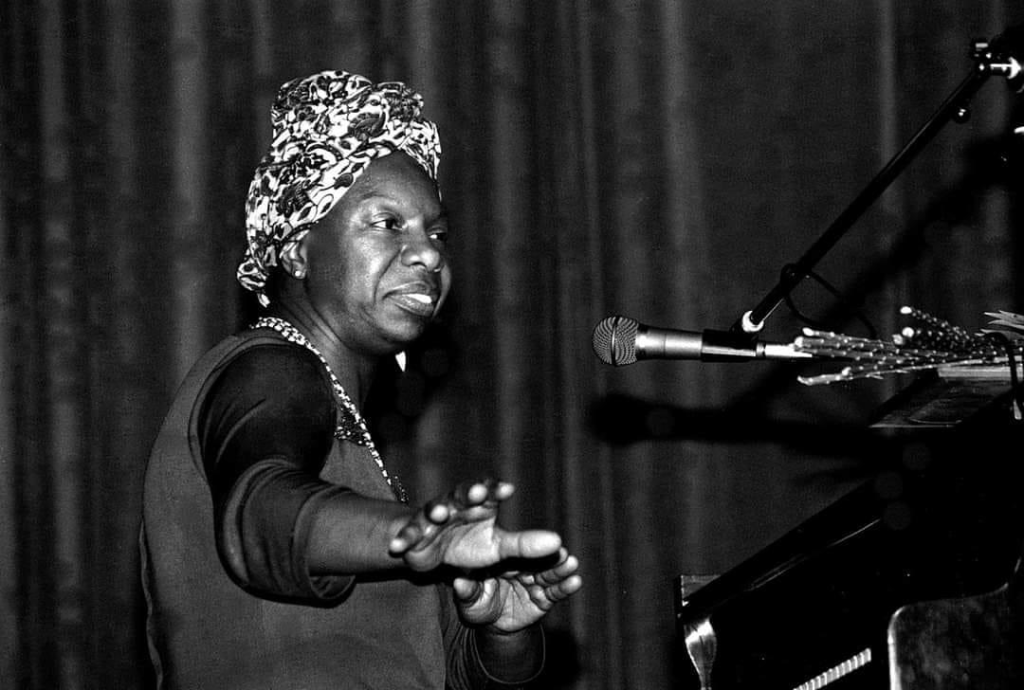
“Anything human can be felt through music, which means that there is no limit to the creating that can be done with music. You can take the same phrase from any song and cut it up so many different ways – it’s infinite. It’s like God… you know?”
“The cauldron of Annwfn, the Welsh Underworld, was guarded, warmed, and inspired by the nine sisters of the cauldron – the primal inspirers of the Celtic world. The ninefold sisters were understood to take the threefold thread of each life and amplify it till its full potential was realized. They were seen as the Gifting Mothers by the Celtic world, and later as the faery godmothers of medieval tradition. Actual sisterhoods of priestesses played an important part in the sacred and inspirational guidance of the ancient Celtic world. The sacred flame within the enclosure of St. Brigit was tended by nineteen sisters – two shifts of nine nuns and their abbess.
The relationship between ourselves and our various inspirers is complex and subtle. We rely on the teachers and inspirational people of many ages whose craft we follow; the practitioners of our own life-skills who preceded us; the places, animals, plants, trees, and land features that have become central to our symbolic and metaphorical understanding of our vocation; the music, books, art, and skills that feed our soul; the stories, songs, texts, and teachings by which we live our lives. All of these come together to heat the brew of our cauldron of life. Our inspirers pull upon the thread of our soul’s circuit to remind us where our vocational duty lies.”
From The Celtic Spirit: Daily Meditations for the Turning Year by Caitlin Matthews
“I’ve learned that I must find positive outlets for anger or it will destroy me. There is a certain anger: it reaches such intensity that to express it fully would require homicidal rage–self destructive, destroy the world rage–and its flame burns because the world is so unjust. I have to try to find a way to channel that anger to the positive, and the highest positive is forgiveness…
Forgiveness works two ways, in most instances. People have to forgive themselves too. The powerful have to forgive themselves for their behavior. That should be a sacred process.”
“Endeavour to seek the truth in all things, to the extent permitted to human reason by God…
To know the mighty works of God, to comprehend His wisdom and majesty and power; to appreciate, in degree, the wonderful workings of His laws, surely all this must be a pleasing and acceptable mode of worship to the Most High, to whom ignorance cannot be more grateful than knowledge.”
Nicolaus Copernicus (1473 – 1543), born on this day
“Our soul must perform two duties. The one is we must reverently wonder and be surprised; the other is we must gently let go and let be always taking pleasure in God.”
Julian of Norwich (c. 1343 – c. 1416), quoted in Christian Mystics by Matthew Fox
“It is quite impossible to unite happiness with a yearning for what we don’t have. Happiness has all that it wants, and resembling the well-fed, there shouldn’t be hunger or thirst.”
From the Discourses of Epictetus 3.24.17, Greek Stoic Philosopher (c. 50 – c. 135)




 King Edward Street Chapel