“Rest but never quit. Even the sun has a sinking spell each evening. But it always rises the next morning. At sunrise, every soul is born again.”
Muhammad Ali (1942 – 2016), born on this day
A Unitarian Chapel in the heart of Macclesfield, welcoming people of all faiths and none
“Rest but never quit. Even the sun has a sinking spell each evening. But it always rises the next morning. At sunrise, every soul is born again.”
Muhammad Ali (1942 – 2016), born on this day
“Make your ego porous. Will is of little importance, complaining is nothing. Openness, patience, receptivity, solitude is everything.”
Rainer Maria Rilke (1875 – 1926)
“This would be an unbearable world were God to have only a single light, but we may be consoled that God has two lights: a light to guide us in the brightness of the day when hopes are fulfilled and circumstances are favorable, and a light to guide us in the darkness of the midnight when we are thwarted and the slumbering giants of gloom and hopelessness rise in our souls.”
Martin Luther King Jr. (1929 – 1968), born on this day
“You are closer to me than I am, God.
You shine through my chaos and confusion
from my innermost self.
You know my weak points and my hurt places,
the habits I resort to and the goals that sustain me.
You well up in me.
You hold me in the palm of your hand.
I can’t quite grasp this – it’s just too big.
Understanding flits by in the corner of my mind
and is quickly gone.
You’re in all of this from the big bang to
the outer edge of space and time.
You are the seed at my center from my birth to now
to my death and beyond.
Deep in every growing bone, every forming love,
every struggled thought.
There is nowhere that you that you are not.
Search me, try me, purify me.
Lead me to the way of Oneness with you.”
Psalm 139 reimagined by Christine Robinson
“”A home,” wrote Solomon the Wise, “is built with wisdom.” And not with a hammer. Because wisdom is the glue of beauty. Wisdom, meaning the ability to step back and see all of the picture, the past and, most important, the future to which all this leads. To see the truth inside each thing. Without wisdom, there are only fragments. With wisdom, there is a whole. And there is peace between all the parts of that whole.”
Rabbi Tzvi Freeman, with art by Egon Tschirch
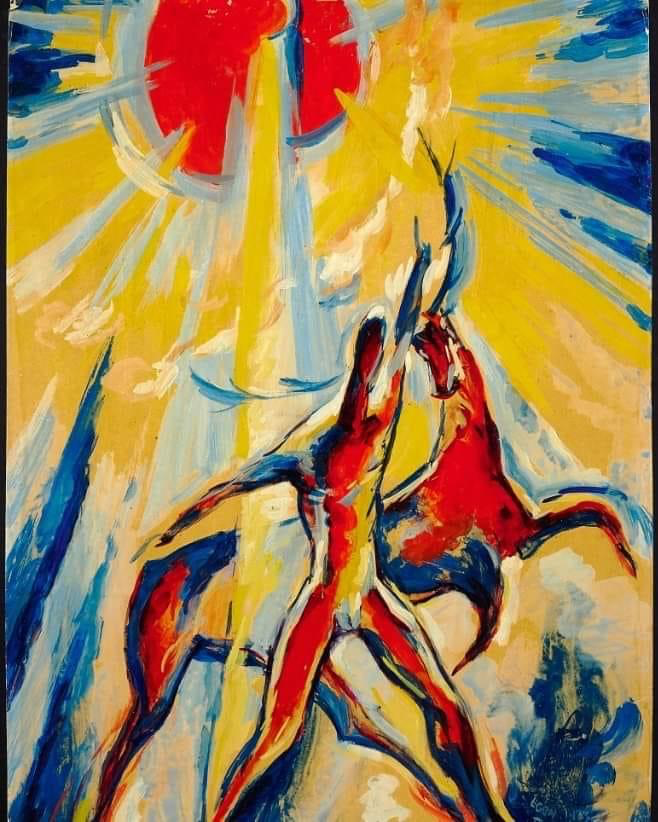
“Know the difference between the false dawn and the true, distinguish the colour of the wine from the colour of the cup, that, perchance, from the eyes which see the seven colours, patience and waiting may produce a spiritual eye, with which you may behold colours other than these, and may behold pearls instead of stones. What pearl? Nay, you will become an ocean, you will become a sun traversing the sky.”
From Masnavi by Rumi, translated by Richard Nicholson
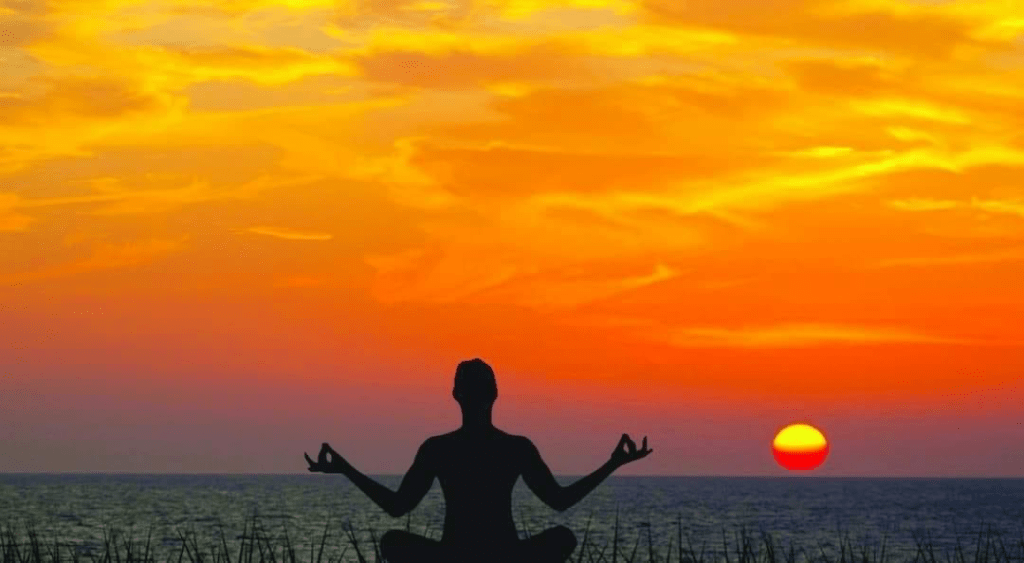
“I never doubted that equal rights was the right direction. Most reforms, most problems are complicated. But to me there is nothing complicated about ordinary equality.”
Alice Paul, US Suffragist (1885 – 1987), born on this day

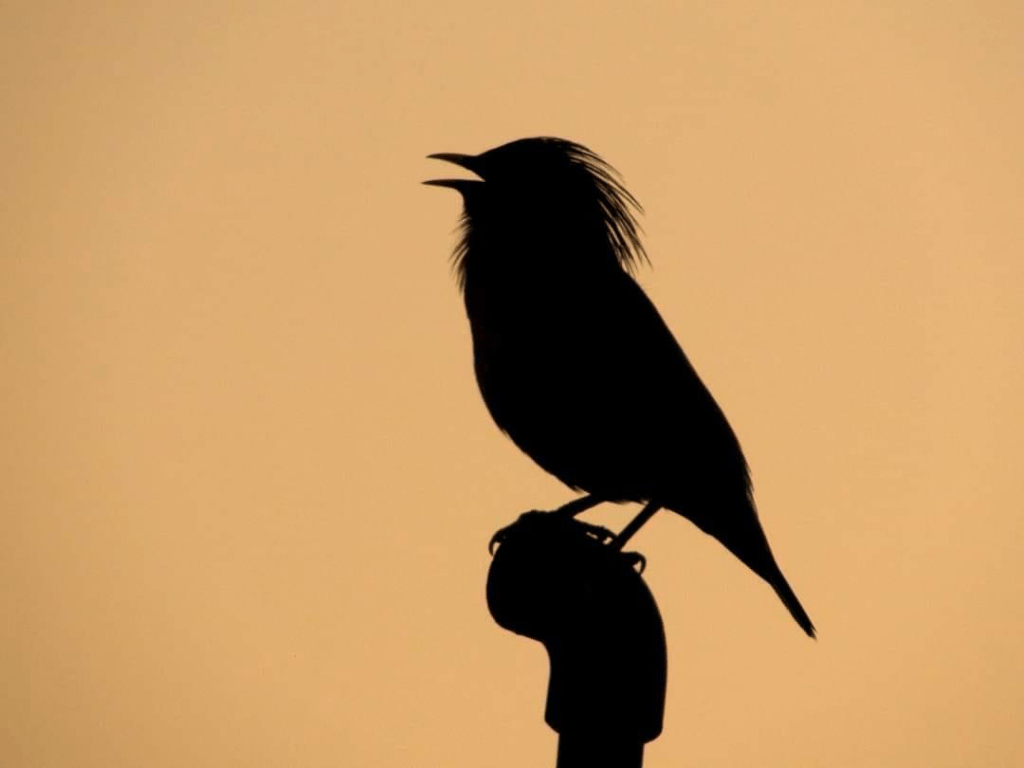
“Once upon a time, there was the simple understanding that to sing at dawn and to sing at dusk was to heal the world through joy. The birds still remember what we have forgotten.”
Terry Tempest Williams
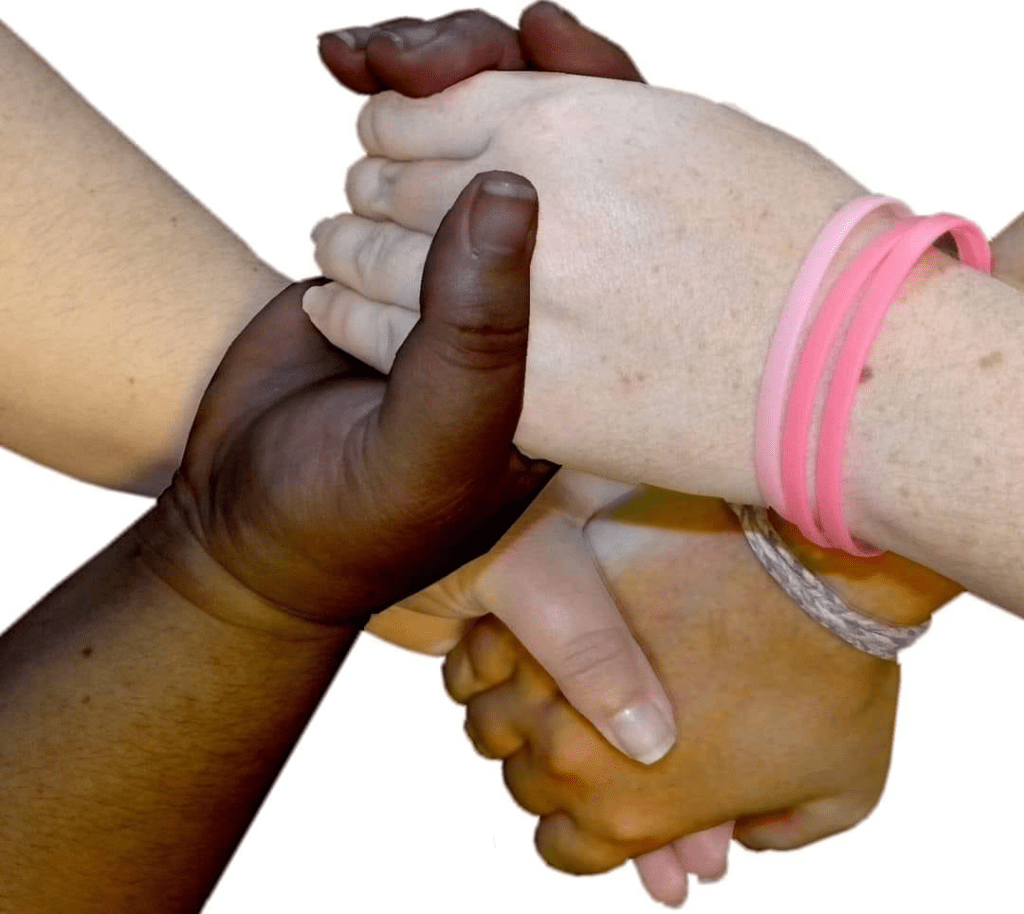
“One’s life has value so long as one attributes value to the life of others, by means of love, friendship, indignation and compassion.”
Simone de Beauvoir (1908 – 1986), philosopher, writer and feminist activist, born on this day

“Comfort comes into your house first as guest, then as a host, then finally as the master…
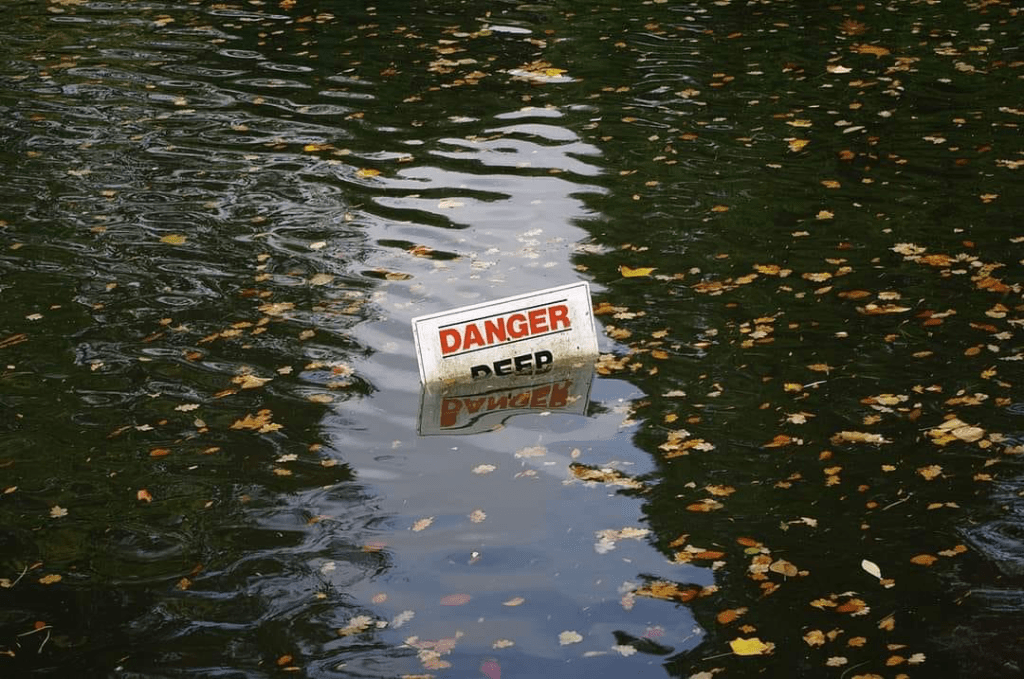
If you feel safe in the area you’re working in, you’re not working in the right area. Always go a little further into the water than you feel you’re capable of being in. Go a little bit out of your depth. And when you don’t feel that your feet are quite touching the bottom, you’re just about in the right place to do something exciting. “
David Bowie (1947 – 2016), born on this day

 King Edward Street Chapel