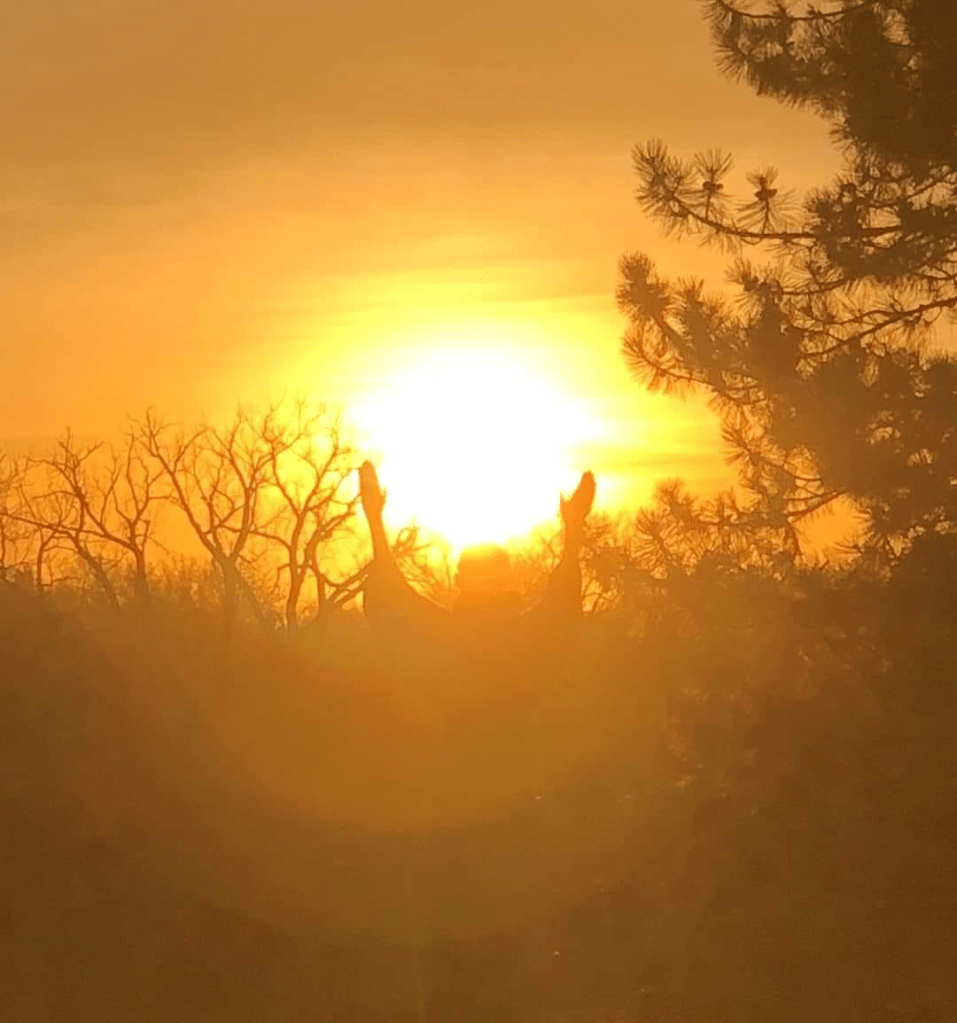
Winter Solstice
“Our souls are not broken that they should need repair, nor deficient that they should need anything added. Our souls need only to be uncovered and allowed to shine.”
Rabbi Tzvi Freeman
A Unitarian Chapel in the heart of Macclesfield, welcoming people of all faiths and none
Winter Solstice
“Our souls are not broken that they should need repair, nor deficient that they should need anything added. Our souls need only to be uncovered and allowed to shine.”
Rabbi Tzvi Freeman
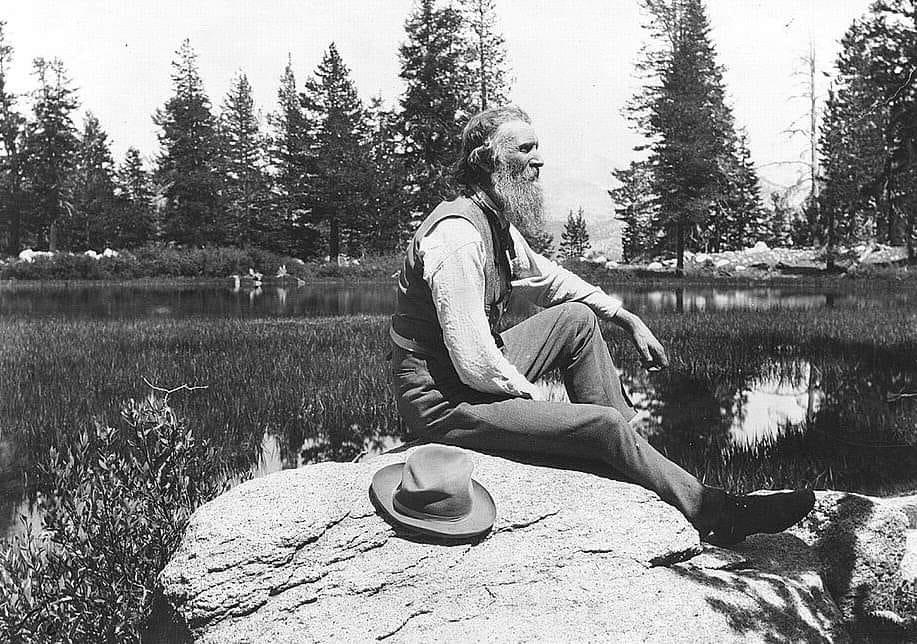
“People [sometimes] talk about creation as a remote fact of history, as if it were something that was attended to a long time ago, and finished at the time. But creation was not an act; it is a process; and it is going on today as much as it ever was. And Nature is not in a hurry…”
John Muir (1838 – 1914), Scottish-American naturalist
International Human Solidarity Day
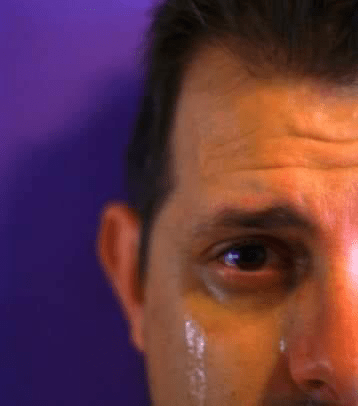
“My mom taught us never to look away from people’s pain.
The lesson was simple:
Don’t look away.
Don’t look down.
Don’t pretend not to see hurt.
Look people in the eye.
Even when their pain is overwhelming.
And when you are in pain, find the people who can look you in the eye.
We need to know we are not alone, especially when we are hurting.
This lesson is one of the greatest gifts of my life.”
Brené Brown
“Listening is a very deep practice. You have to empty yourself. You have to leave space in order to listen. Especially to people we think are our enemies – the ones we believe are making our situation worse. When we have shown our capacity for listening and understanding, the other person will begin to listen to you, and you have a chance to tell him or her of your pain, and it’s your turn to be healed. This is the practice of peace.”
Thích Nhất Hạnh (1926 – 2022), Vietnamese Buddhist teacher
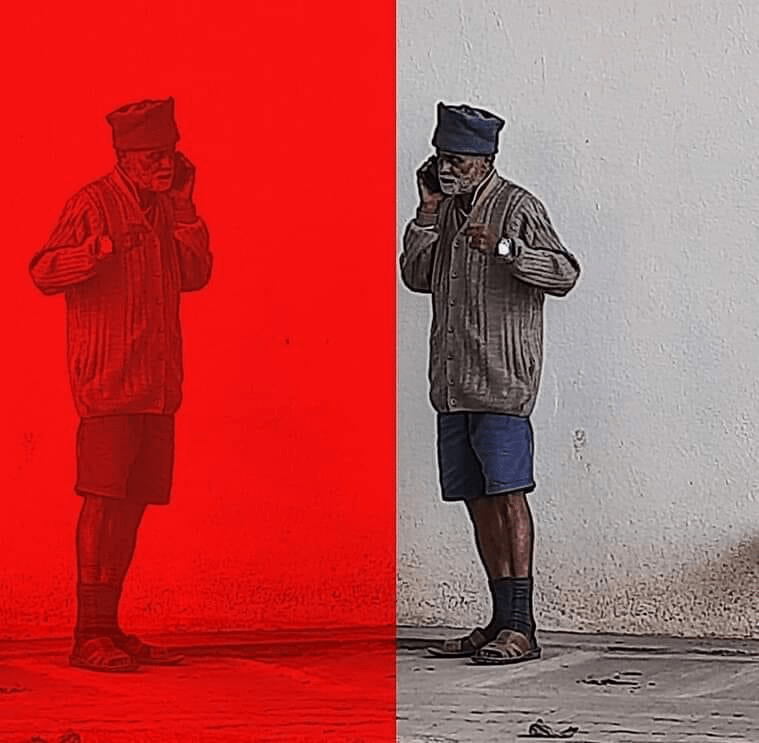
International Migrants Day
“I know that those who hate have good reason to do so. But why should we always have to choose the cheapest and easiest way? It has been brought home forcibly to me here how every atom of hatred added to the world make it an even more inhospitable place. And I also believe, childishly perhaps but stubbornly, that the earth will become more habitable again only through love.”
Etty Hillesum (1914 – 1943), Dutch Jewish writer, murdered in Auschwitz

“The Judaeo-Christian vision of the cosmos defends the unique and central value of the human being amid the marvellous concert of all God’s creatures, but today we see ourselves forced to realize that it is only possible to sustain a “situated anthropocentrism”. To recognize, in other words, that human life is incomprehensible and unsustainable without other creatures…
Let us stop thinking, then, of human beings as autonomous, omnipotent and limitless, and begin to think of ourselves differently, in a humbler but more fruitful way.
I ask everyone to accompany this pilgrimage of reconciliation with the world that is our home and to help make it more beautiful, because that commitment has to do with our personal dignity and highest values. At the same time, I cannot deny that it is necessary to be honest and recognize that the most effective solutions will not come from individual efforts alone, but above all from major political decisions on the national and international level.”
From Laudato Deum by Pope Francis, born Jorge Mario Bergoglio, on this day in 1936

“There is a reason why walking amongst nature is most people’s best advice when depression strikes.
Because walking in nature is a return to ‘home’.
You are not a lover of nature, or a fan of nature, you ‘are’ nature.
You are as much nature as the trees in your garden and the bees on your picnic.
You were designed to live your days out in the wild with your fellow creatures and plants but progress, humanity, had different plans for us all.
And so we exist day-to-day, in our homes, but never ‘home’.
The quickest route back to self, to inner peace, is bare feet on grass, arms around trees, head in the clouds and heart in a forest.
Put your bones in water, whenever you can, smell each flower you see and crumble dirt between your tired-of-typing fingers.
You are nature, go home once in a while.
It will bring you much you didn’t even know you were missing.”
Donna Ashworth
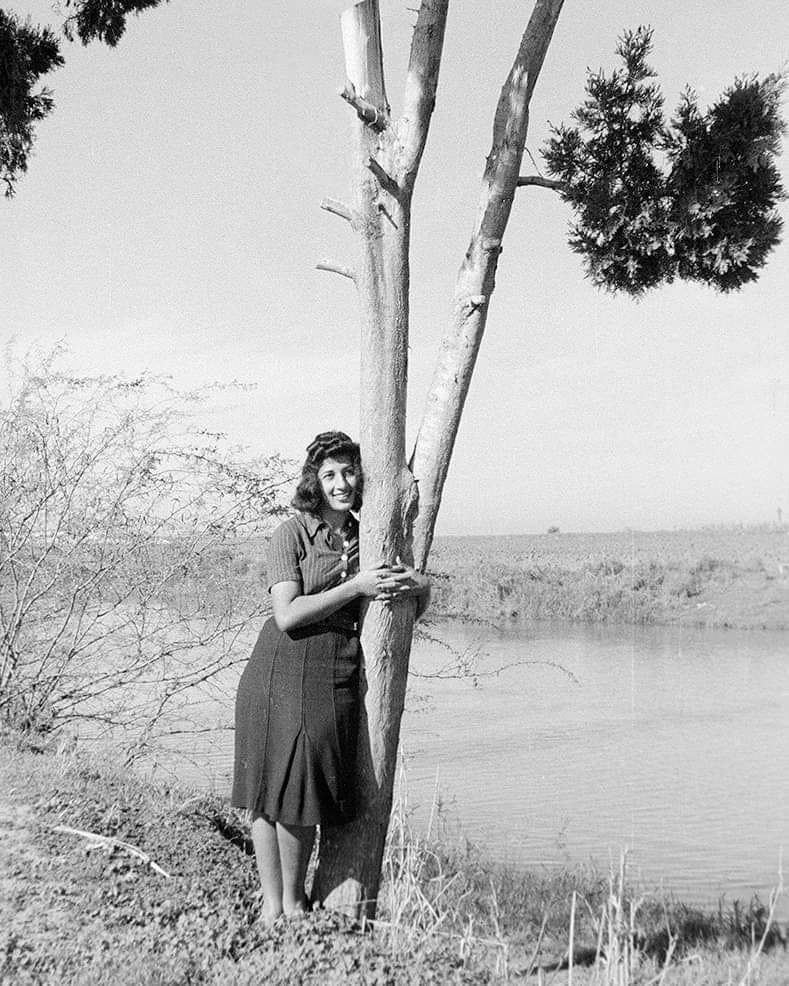
“Finding your Self, discovering who you really are, means to find God, for there is nothing really outside of Him.. God is fully and equally present everywhere.. Everything is He.”
Ma Anandamayi (1896 – 1982), Indian spiritual teacher
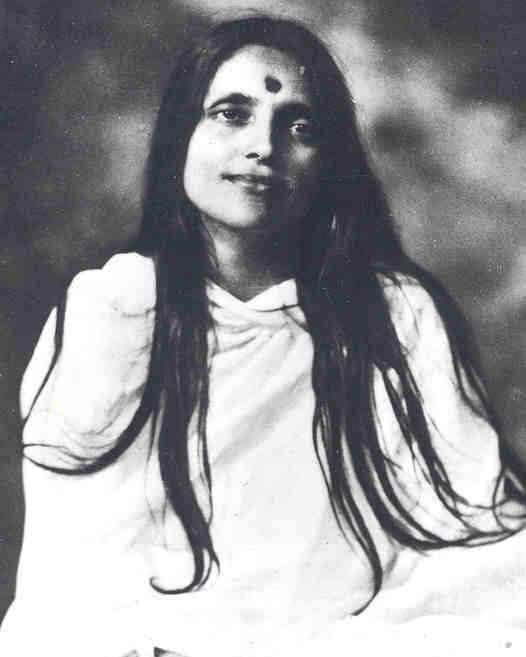
“The world you see is just a movie in your mind.
Rocks don’t see it.
Bless and sit down.
Forgive and forget.
Practice kindness all day to everybody
and you will realize you’re already in heaven now.
That’s the story.
That’s the message.”
Jack Kerouac (1922 – 1969), novelist and poet, quoted in Fragments of Holiness for Daily Reflection
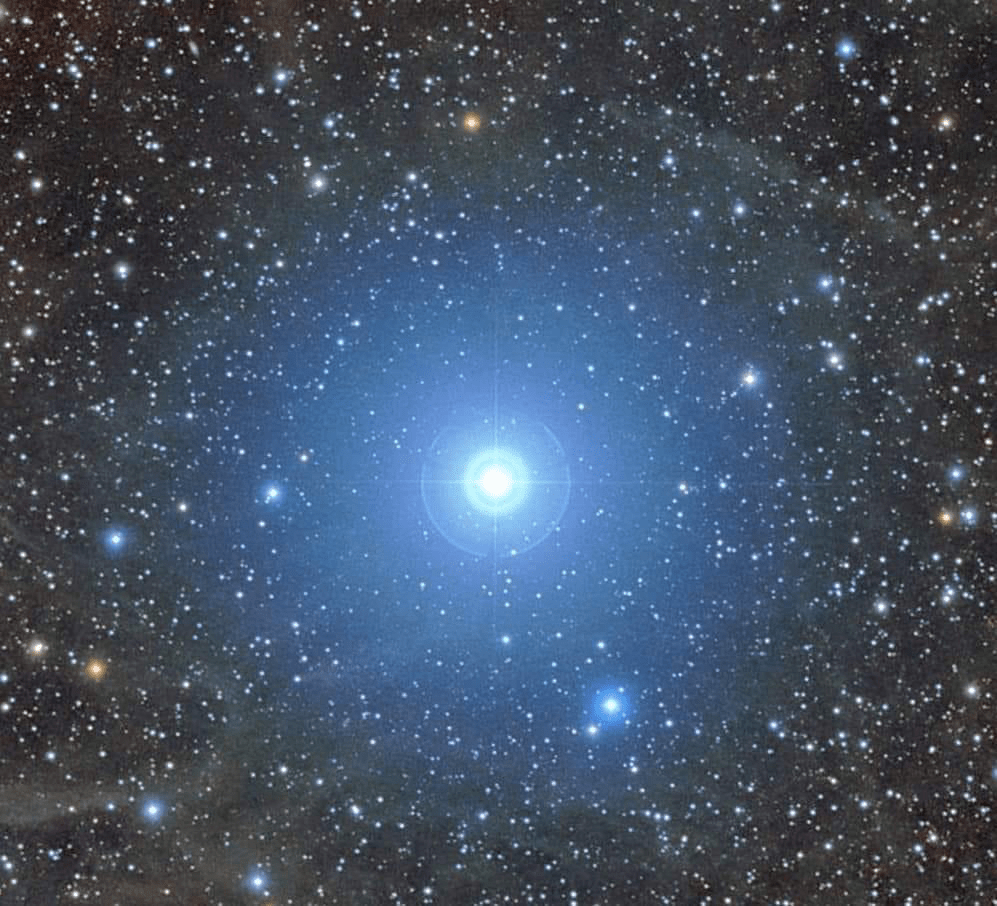
“If we could set up a stop-frame film of the solar year and point it up toward the northern heavens, we would see revealed the dance of the circumpolar stars about the polestar in a fantastic circle dance. Among the peoples of the north, the polestar is called “the nail of heaven” because of its unchanging position in the sky: an unfailing and welcome guide to travellers and sailors in the darkest night.
Discovering our own true north as the compass point of our soul’s direction is a worthwhile enterprise on our spiritual path. Our true north may not be an actual belief system or ideology, not a religious figure or archetype, if we are still searching. It may be something that is nearer to an instinct or feeling of travelling in the right direction, something that we sniff in the wintry air or intuit from the glancing rays of the sun through the leafless trees.”
From The Celtic Spirit: Daily Meditations for the Turning Year by Caitlin Matthews

 King Edward Street Chapel