“When psalms surprise me with their music And antiphons turn to rum The Spirit sings: the bottom drops out of my soul And from the center of my cellar Love, louder than thunder Opens a heave of naked air…
The whole World is secretly on fire. The stones Burn, even the stones They burn me. How can a man be still or Listen to all things burning? How can he dare To sit with them when All their silence Is on fire?
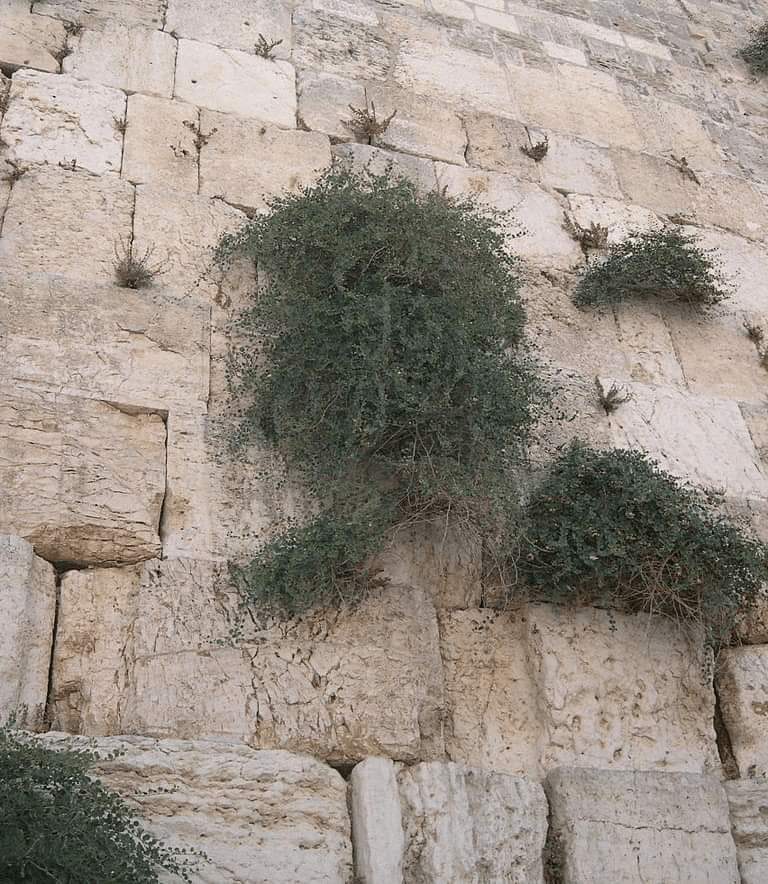
Be still Listen to the stones of the wall Be silent, they try To speak your Name. Listen To the living walls. Who are you? Who Are you? Whose Silence are you?”
Thomas Merton (1915 – 1968), Trappist monk, theologian, social activist and poet
“Don’t trust in your reputation, money, or position, but in the strength that is yours – namely, your judgments about the things that you control and don’t control. For this alone is what makes us free and unfettered, that picks us up by the neck from the depths and lifts us eye to eye with the rich and powerful.”
“This is the very thing which makes up the virtue of the happy person and a well-flowing life – when the affairs of life are in every way tuned to the harmony between the individual divine spirit and the will of the director of the universe.”
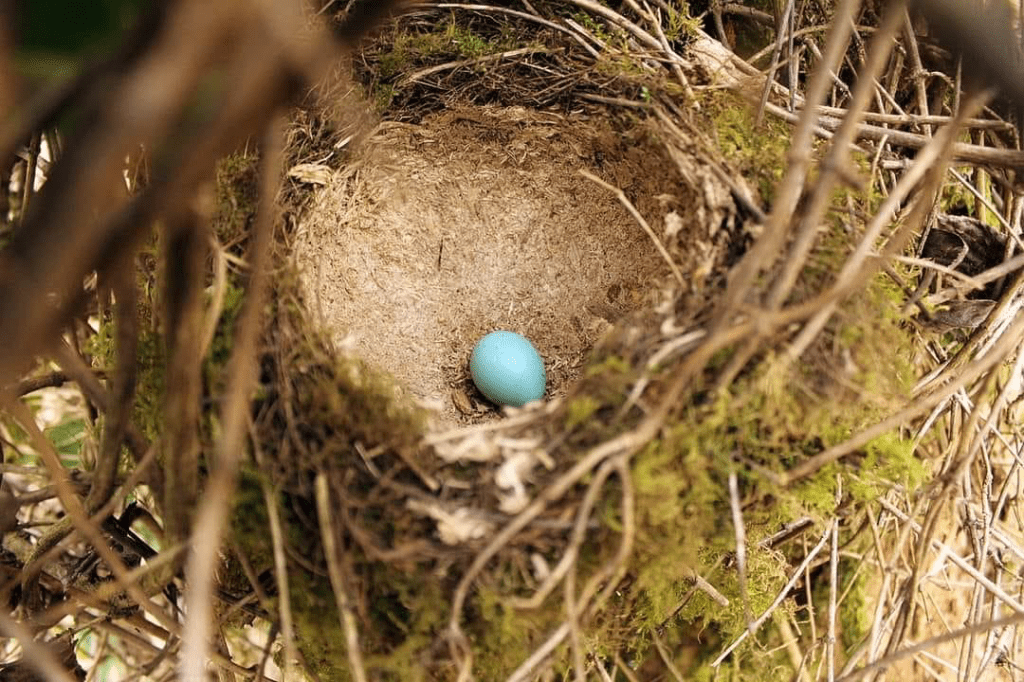
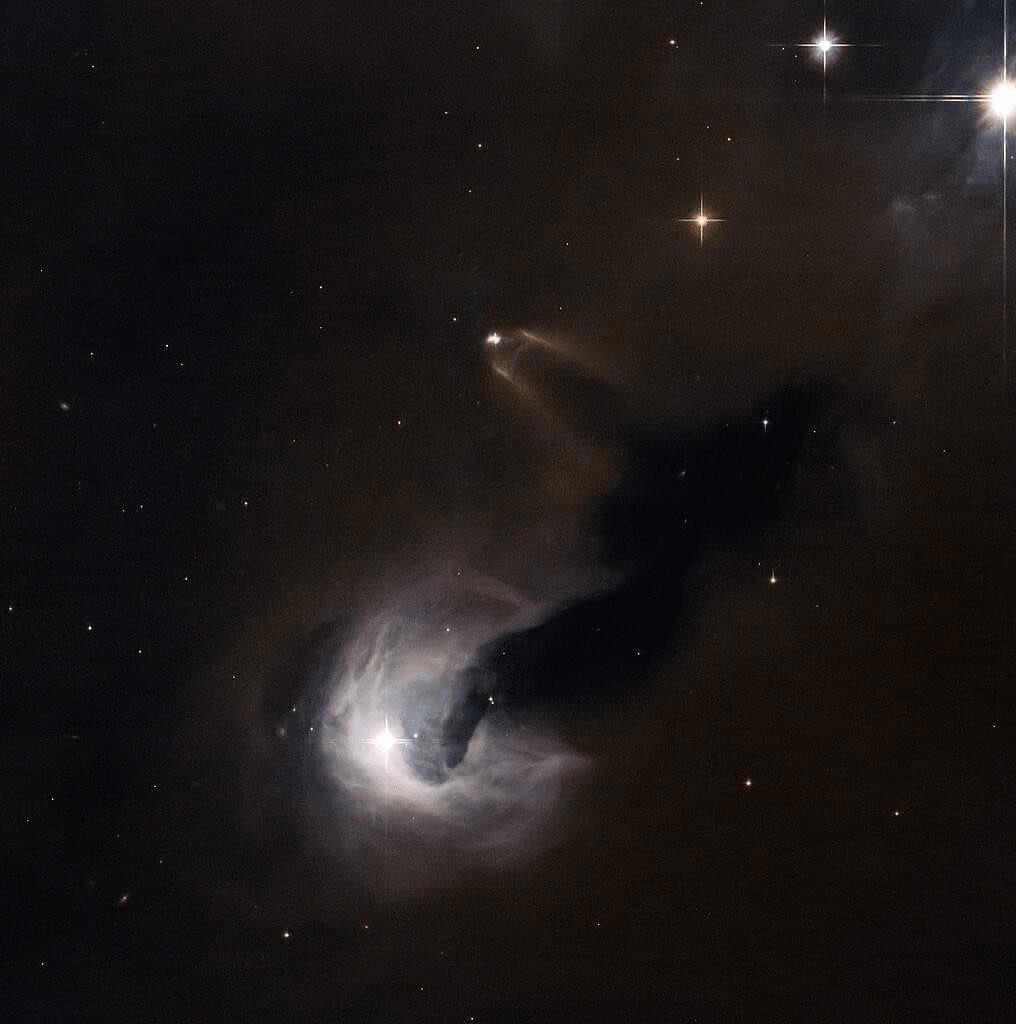
“This is the work of the Sabbath. All creatures flowering out of themselves, a rose, star pollen galaxy, blue-green egg in a well woven nest, the little earth in its swirl of distances. This the work of the effortless. A prophet does not see into the future. A prophet sees deeply into the present moment.”
“Drifter, on your feet, get moving! You still have time, go look for the Friend. Make yourself wings, take wing and fly. You still have time, go look for the Friend.
Charge your bellows with breath like the blacksmith taught you. That’s how you turn your iron to gold. You still have time, go look for the Friend…
I trapped my breath in the bellows of my throat: a lamp blazed up inside, showed me who I really was. I crossed the darkness holding fast to that lamp, scattering its light-seeds around me as I went.
Wear the robe of wisdom, brand Lalla’s words on your heart, lose yourself in the soul’s light, you too shall be free.”
“As we slowly tread towards winter, let us learn how to befriend darkness. May we find our way in the night and welcome the shapes we see. Let us honour the voices of our ancestors, and the faces of friends lost through death or conflict. May we hear their whispers of wisdom, of laughter and of love. May their courage to live life fully provide energy for our dance on the edge of fear.”
John Harley, Unitarian minister, quoted in Fragments of Holiness for Daily Reflection
“My life is made worthwhile by fighting bravely on for those ideals I hold most great and holy. Though evil winds may blow, they will not rock the calm in my soul, which remains both quiet and lowly. For heaven waits for those whose spirits have won through, but I am sure that my life was worth living. And they will find the sun whose minds have let them rise and stand against the darkness and the mayhem. I might be disappointed, I might fall in the fight, but I am sure that my life was worth living. The life which is to come has been my holy shrine, I trust that I have lived a life worth giving.”
My Life Is Made Worthwhile: a hymn written by Norbert Fabian Čapek on March 31 1942 at the concentration camp in Dachau, Germany. Norbert was a Unitarian minister who founded the Unitarian church in Prague and was executed by the Nazis for treason.
“Season of mists and mellow fruitfulness, Close bosom-friend of the maturing sun; Conspiring with him how to load and bless With fruit the vines that round the thatch-eves run; To bend with apples the moss’d cottage-trees, And fill all fruit with ripeness to the core; To swell the gourd, and plump the hazel shells With a sweet kernel; to set budding more, And still more, later flowers for the bees, Until they think warm days will never cease, For summer has o’er-brimm’d their clammy cells.
Who hath not seen thee oft amid thy store? Sometimes whoever seeks abroad may find Thee sitting careless on a granary floor, Thy hair soft-lifted by the winnowing wind; Or on a half-reap’d furrow sound asleep, Drows’d with the fume of poppies, while thy hook Spares the next swath and all its twined flowers: And sometimes like a gleaner thou dost keep Steady thy laden head across a brook; Or by a cyder-press, with patient look, Thou watchest the last oozings hours by hours.
Where are the songs of spring? Ay, Where are they? Think not of them, thou hast thy music too,— While barred clouds bloom the soft-dying day, And touch the stubble-plains with rosy hue; Then in a wailful choir the small gnats mourn Among the river sallows, borne aloft Or sinking as the light wind lives or dies; And full-grown lambs loud bleat from hilly bourn; Hedge-crickets sing; and now with treble soft The red-breast whistles from a garden-croft; And gathering swallows twitter in the skies.”
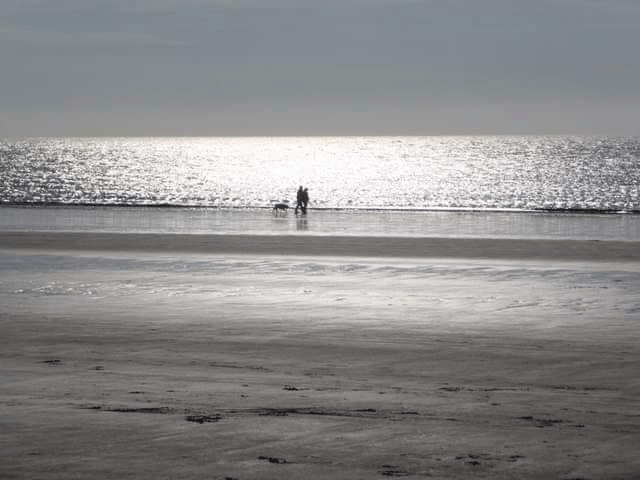
“The particular mind of the ocean Filling the coastline’s longing With such brief harvest Of elegant, vanishing waves Is like the mind of time Opening the shapes of days.
As this year draws to its end, We give thanks for the gifts it brought And how they became inlaid within Where neither time nor tide can touch them.
The days when the veil lifted And the soul could see delight; When a quiver caressed the heart In the sheer exuberance of being here.
Surprises that came awake In forgotten corners of old fields Where expectation seemed to have quenched.
The slow, brooding times When all was awkward And the wave in the mind Pierced every sore with salt.
The darkened days that stopped The confidence of the dawn.
Days when beloved faces shone brighter With light from beyond themselves; And from the granite of some secret sorrow A stream of buried tears loosened.
We bless this year for all we learned, For all we loved and lost And for the quiet way it brought us Nearer to our invisible destination.”



 King Edward Street Chapel