“You are the heaven and You are the earth, You are the day and You are the night, You are all pervading air, You are the sacred offering of rice and flowers and of water; You are Yourself all in all, What can I offer You? Wander from shrine to shrine, visit gods, look all over for fulfilment. The further away you look from your own self, the greener seems the next heap of grass. The way is like a herb garden: enclose it with silence, self-restraint, and actions that follow these. Then offer everything you do on the Mother’s altar. Gradually your whole crop of deeds gets eaten, and only emptiness remains.”
From Strength in the Storm: Transform Stress, Live in Balance & Find Peace of Mind by Eknath Easwaran
“One of the curious games I learned as a Boy Scout was musical chairs. There would be thirteen of us and only twelve chairs, and we would all circle around while someone sang our Scout song. Whenever the singer stopped, everyone had to find a seat – and of course, one boy would be without.
Each time around, one more chair would be taken away. As the game got faster and faster, we would begin to push each other and do all kinds of impossible things like trying to jump on a chair from behind, panicky because we were afraid we’d be out of the game.
Many people seem to treat life like this. Time keeps taking away the chairs, and we run around in more and more of a panic trying to get a seat – even if it means someone else will have to go without.
But in every age and culture there are a few – people like Francis of Assisi, Teresa of Avila, Mahatma Gandhi – who find this approach to life as meaningless as the game. After a few rounds of scurrying like the rest of us, they quietly step aside.
Like children, we might feel sorry for them. “Poor Francis! He can’t run around any more.” But we have to admit they seem to enjoy their choice. Great spiritual figures like these go through life without fuss and frenzy as if they had all the time in the world, and their lives seem so much richer than ours that we have to stop and wonder why. They even seem to accomplish more, so that their lives have enduring value, meaning, and the power to inspire.
Where does this sense of fullness come from? How can such people live without hurry but make each moment count? The Buddha would give a simple answer: it is because they live completely in the present – the only time there is.”
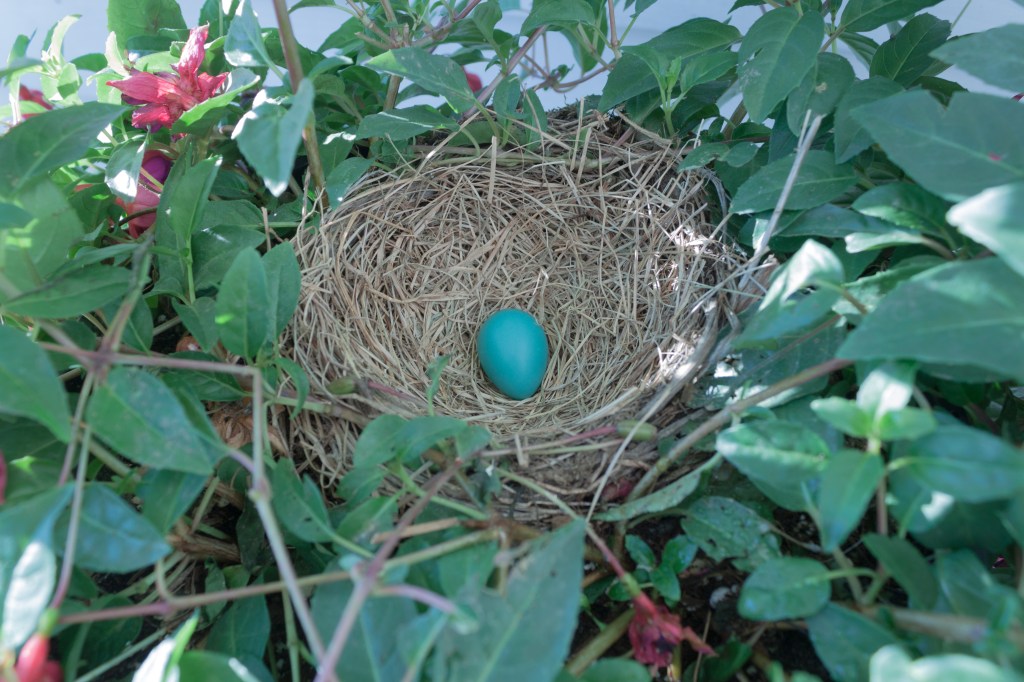
“This is the work of the Sabbath. All creatures flowering out of themselves, a rose, a cluster of galaxies, the pollen of the stars, a blue-green egg at the center of a well woven nest. The work of the effortless. A prophet does not see into the future. A prophet sees deeply into the present moment.”
“In the course of history, there comes a time when humanity is called to shift to a new level of consciousness, to reach a higher moral ground. A time when we have to shed our fear and give hope to each other. That time is now.”
Wangari Maathai, the first African woman to be awarded the Nobel Peace Prize, on this day in 2004
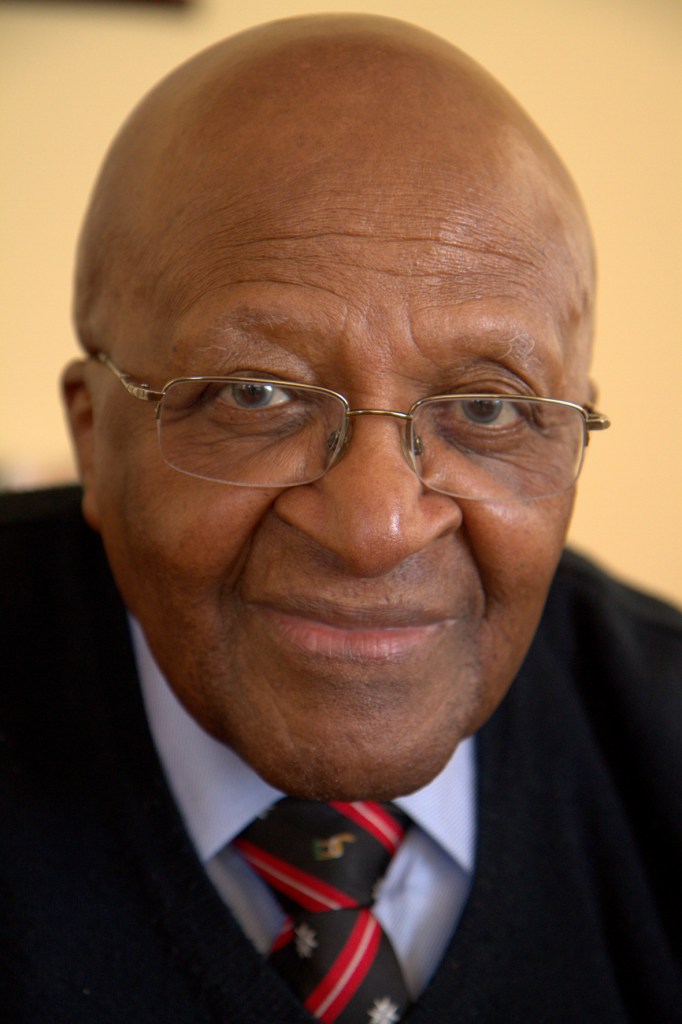
From God Has a Dream: A Vision of Hope for Our Time by Desmond Tutu, born on this day in 1931
“Dear Child of God, I write these words because we all experience sadness, we all come at times to despair, and we all lose hope that the suffering in our lives and in the world will ever end. I want to share with you my faith and my understanding that this suffering can be transformed and redeemed. There is no such thing as a totally hopeless case. Our God is an expert at dealing with chaos, with brokenness, with all the worst that we can imagine. God created order out of disorder, cosmos out of chaos, and God can do so always, can do so now–in our personal lives and in our lives as nations, globally. … Indeed, God is transforming the world now–through us–because God loves us.”
“One learns more from listening than speaking. And both the wind and the people who continue to live close to nature still have much to tell us which we cannot hear within university walls.”
A Litany of Atonement [for Yom kippur] by Robert Eller-Isaacs
“For remaining silent when a single voice would have made a difference – we forgive ourselves and each other; we begin again in love.
For each time that our fears have made us rigid and inaccessible – we forgive ourselves and each other; we begin again in love.
For each time that we have struck out in anger without just cause – we forgive ourselves and each other; we begin again in love.
For each time that our greed has blinded us to the needs of others – we forgive ourselves and each other; we begin again in love.
For the selfishness which sets us apart and alone – we forgive ourselves and each other; we begin again in love.
For falling short of the admonitions of the spirit – we forgive ourselves and each other; we begin again in love.
For losing sight of our unity – we forgive ourselves and each other; we begin again in love.
For those and for so many acts both evident and subtle which have fuelled the illusion of separateness – we forgive ourselves and each other; we begin again in love.”
Feast Day of St Francis of Assisi – patron saint of animals
“”Ask the animals, and they will teach you, the birds of the air, and they will tell you; ask the plants of the earth and they will teach you, and the fish of the sea will declare to you. Who among all these does not know that the hand of the Lord has done this? In his hand is the life of every living thing and the breath of every human being.” Job 12:7-10
In this brief passage from the book of Job we learn that all forms of life have something to teach us. The animals, the birds, the plants, and the fish are all named together as beings who can teach us.
Later on in the book, God asks Job, “Who gives the ibis (a kind of bird) wisdom or gives the rooster understanding?” Of course, the unsaid answer to that question is undoubtedly God, who gives all creatures whatever particular wisdom they may possess.
In nature we often see different kinds of animals living together in symbiotic relationships. There are fish who live in the shadows of sharks. The sharks do not eat these fish but rather let them swim freely inside their mouth. The fish clean the shark’s teeth and live on the scraps of what they have eaten.
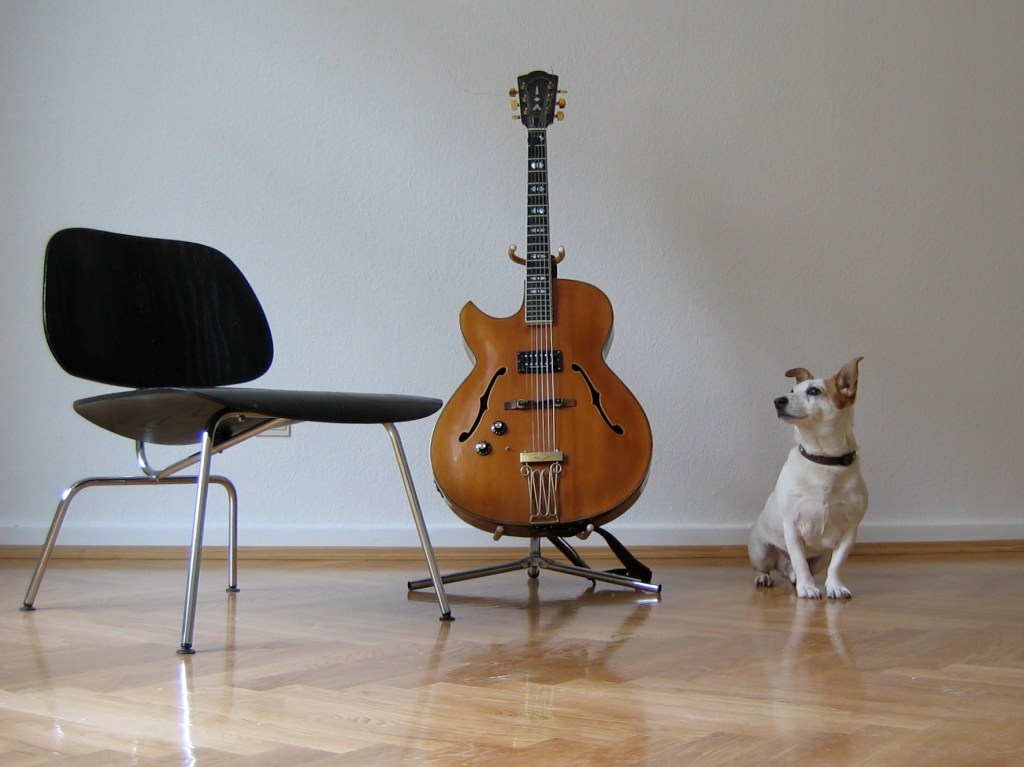
The shark has one kind of wisdom and the little fish has another. Both live and grow together, mutually benefiting from their shared wisdom. Dogs and humans, as an example, go as far back as history can record. We evolved in unison with each other. We have come into existence hand in hand with one another.
In this process of sharing wisdom, humans and dogs have developed a friendship. As the old saying goes, “a dog is a man’s best friend.” Wisdom calls us into friendship. Human beings have a remarkable sort of wisdom. We see things in a way that no other animal can.
Yet, our wisdom is not complete in itself. We can see that human ingenuity can be a source of death as much as it can be a source of life. When we forget our animal neighbours, who are also our cousins, our wisdom becomes self-serving.
But this disjointed and chaotic wisdom which humanity seems to have right now is not the only way. We can open our hearts and minds to the ancient song which all of nature sings. There is a natural harmony of wisdom and friendship which is beckoning us to return to it.
When we allow the wisdom of animal being to inform our own, we will no longer destroy the earth for our own short-term gain, but rather see, with eyes unclouded by ignorance, that our wellbeing is forever entwined with the wellbeing of all life on earth.”





 King Edward Street Chapel