“He to whom time is the same as eternity, and eternity the same as time, is free of all adversity.”
Jakob Boehme (1575 – 1624)
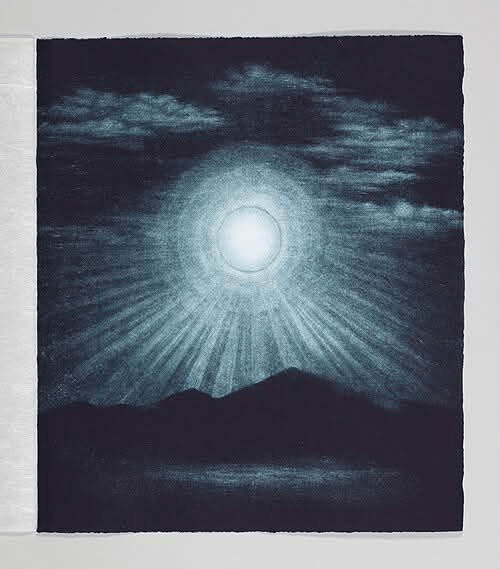
Image: Eternity by Shirley Jones
A Unitarian Chapel in the heart of Macclesfield, welcoming people of all faiths and none
“He to whom time is the same as eternity, and eternity the same as time, is free of all adversity.”
Jakob Boehme (1575 – 1624)
Image: Eternity by Shirley Jones
“O Miracle of Dawn,
Radiance from the heavens!
With joyful silence,
I receive soft light of a new day,
light born from earth’s turning.
O Medicine of Dawn,
healing are your morning rays.
I lift my face toward
the ointment of your splendor
as I become a morning prayer.
As Morning Blossoms,
I go forth to meet the great shining,
the dear unfolding of the day.
With the fading night
I begin a sacred dance
in the arms of your shining.
Encourager of Morning,
Soft glory of the new day,
I am tasting the joy of being awake.
Let your face shine on me
that, I, in turn may shine on others.”
Macrina Wiederkehr, OSB (1939 – 2020)
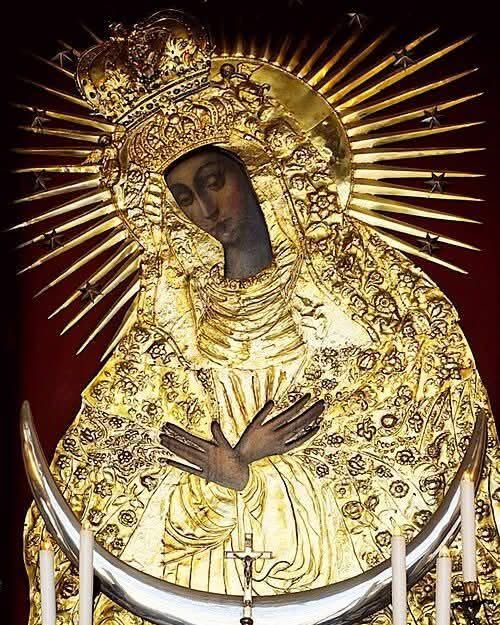
Image: Our Lady of the Gate of Dawn, Vilnius
“”Look at the birds in the sky and the lilies in the fields. Look at the sea anemone, at the humble protozoon and at the Omega Centaurus: they all do neither sow nor reap; they do not have warehouses or bank accounts or life insurance policies!
You forget that Someone at every moment takes care of every sinew of your body, controls the circulation of your blood and the functioning of all your glands. And you seem convinced that some small problem of your daily life can be solved by no-one in the universe but yourself!”
Ernesto Cardenal
We look at nature and find many lessons. Few creatures need warehouses, bank accounts, or life insurance to live full lives. Even our bodies work for nothing and do a pretty good job of things. With a cosmic awareness, we rediscover how interdependent we are with the whole history of the universe. We realize that beings are caring for us even in the toughest times.”
From Christian Mystics by Matthew Fox

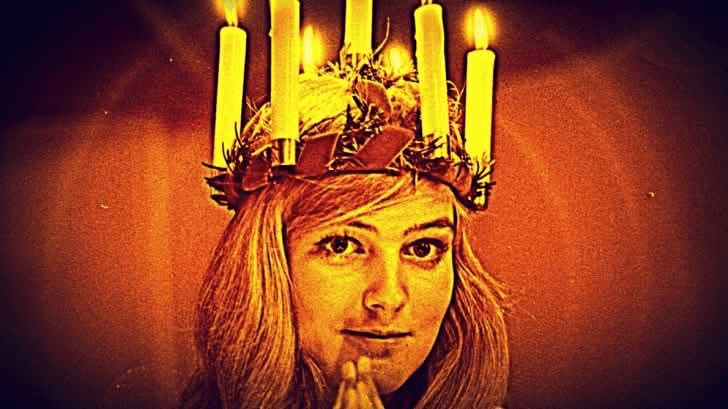
Feast Day of St Lucy
“Flame of love
Irradiate my heart.
Flame of beauty
Illumine my soul.
Flame of wisdom
Exalt my mind.
Flame of courage
Impassion my will.
Flame of peace
Steady my being.”
Andrew Harvey
“The mystical will always be with us – the more it is discovered, the more inexplicable it will become. The new movement, the signs of whose progress can be detected everywhere, will express all those things that for a generation have been suppressed – the whole of that important mystical facet of human nature. It will give free expression to all those subtle nuances that hitherto have only been hinted at in hypotheses. A whole mass of things that cannot be rationalised – new born thoughts that are still not properly formed.”
Edvard Munch (1863 – 1944), painter, born on this day
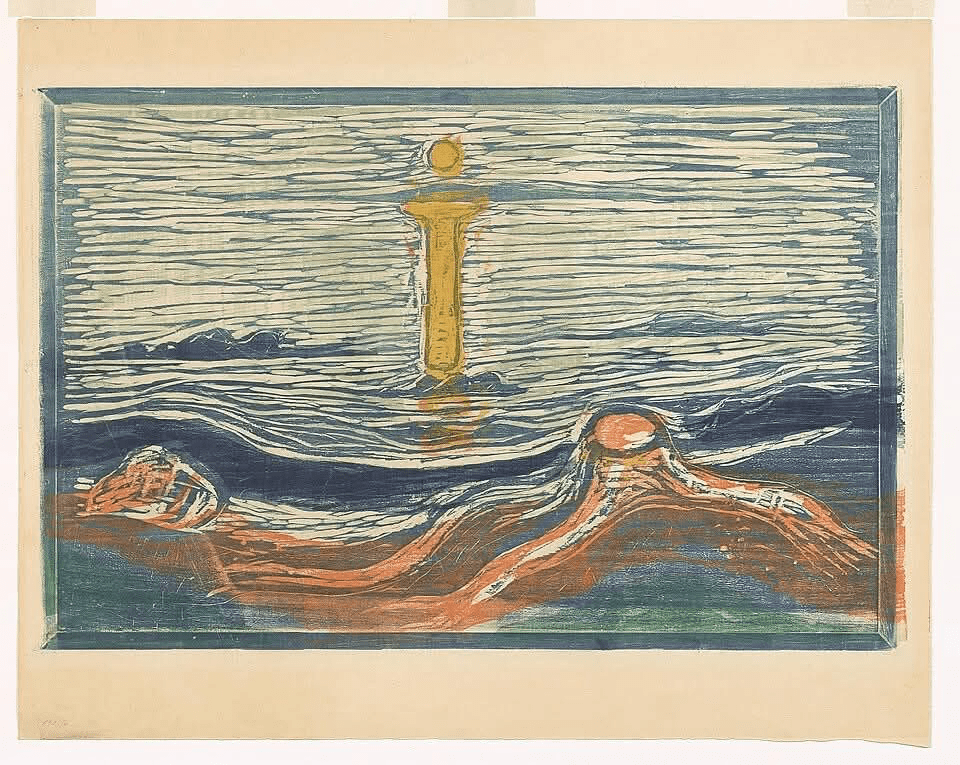
Image: Mystical Shore by Edvard Munch
International Mountain Day
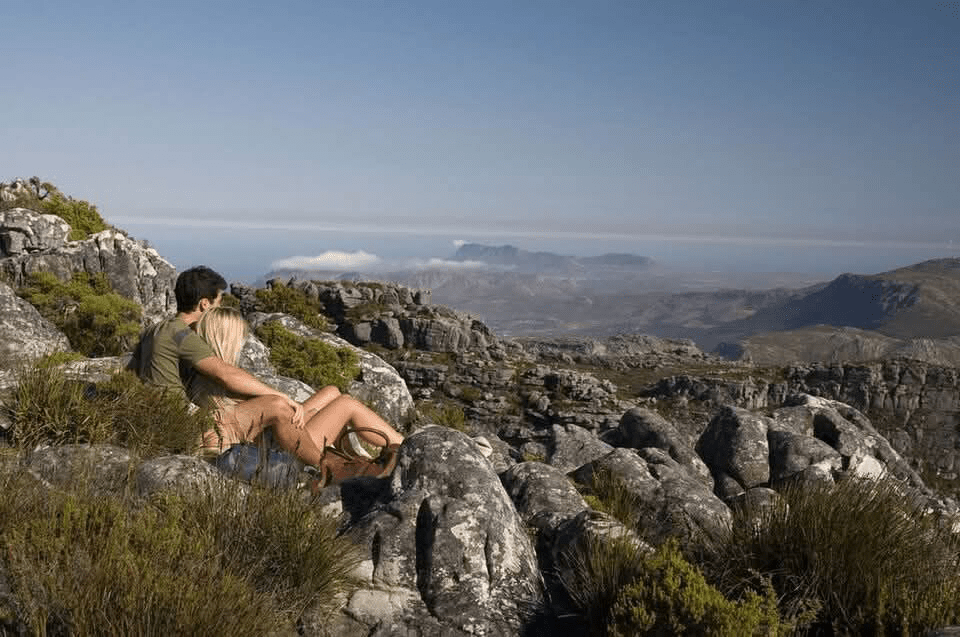
“Nature is united with divine love, to which the will of the soul is also joined. Nature is well ordered and asks nothing that is against the laws of the divine. Love says to us, “There are those who sit on the mountain above the winds and rain. They are not ashamed of anything in the earth or nature, nor do they fear anything that might happen. These people are real people – with faith, their doors open, not grieving. Nor do any of their works of service come to nothing. They are the ones who sit on the mountain, none other.”
From The Mirror of Simple Souls by Marguerite Porete, 13th century France
Human Rights Day
“That God is one, and that all the works and the feelings He has called into existence are ONE; this is a truth (a biblical and scriptural truth too) not in my opinion developed to the apprehension of most people in its really deep and unfathomable meaning. There is too much tendency to making separate and independent bundles of both the physical and the moral facts of the universe. Whereas, all and everything is naturally related and interconnected.”
Ada Lovelace (1815 – 1852), mathematician, born on this day
“The mind ascends to God not through the accumulation of knowledge, but through the letting go of all that it knows.”
Saint Gregory of Nyssa (c. 335 – 384)
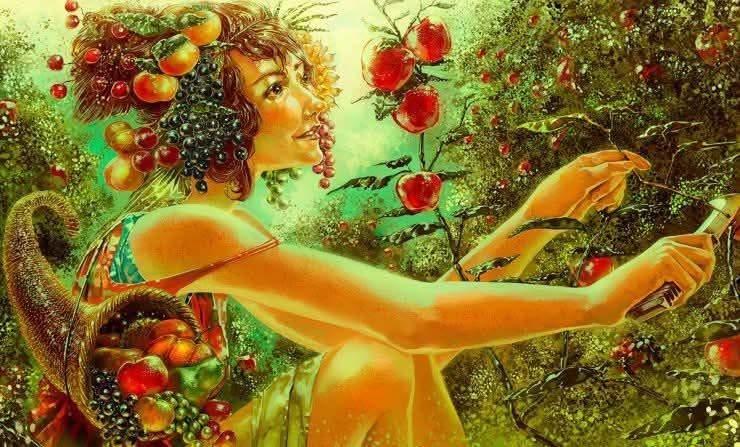
“May the tree of our life be firmly rooted in the soil of love. Let good deeds be the leaves on that tree; may words of kindness form its flowers; may peace be its fruit.”
Sri Mata Amritanandamayi Devi, also known as Amma
“What is a blessing but a rain of grace
falling generously into the lives of those in need;
and who among us is without need?
May the Spirit touch your spirit in this midmorning pause.
May this day be a pathway strewn with blessings.
May your work this day be your love made visible.
May you breathe upon the wounds of those
with whom you work.
May you open yourself to God’s breathing.
May you honor the flame of love that burns inside you.
May your voice this day be a voice of encouragement.
May your life be an answer to someone’s prayer.
May you own a grateful heart.
May you have enough joy to give you hope,
enough pain to make you wise.
May there be no room in your heart for hatred.
May you be free from violent thoughts.
When you look into the window of your soul
may you see the face of God.
May the lamp of your life shine
upon all you meet this day.”
Macrina Wiederkehr, OSB (1939 – 2020)


 King Edward Street Chapel